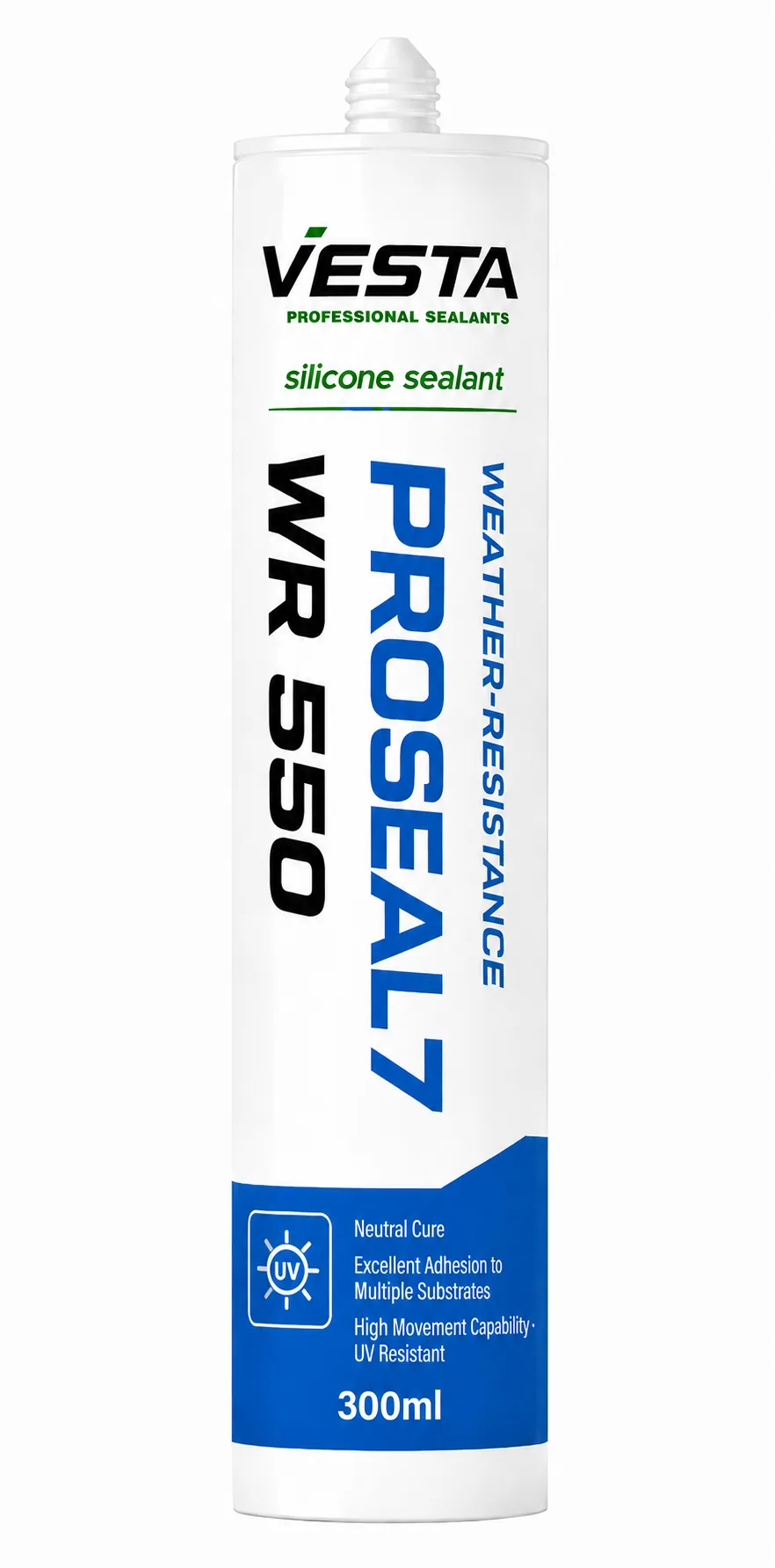
Primary recommendation
WR550 Weather-Resistant Silicone
Neutral-cure exterior silicone for compatible roof, facade, window-frame and movement-joint applications exposed to weather.

Sealant Application Guide
Facade work can contain two different sealant roles: WR550 for compatible non-structural exterior weatherseals, and SS-998 for structural bonding in properly designed systems after actual-material testing and project approval. Identify the joint function before choosing a product; a weatherseal and a structural silicone are not interchangeable.
Start with the product matched to the joint exposure, then confirm substrate compatibility and project requirements.
Primary recommendation
Neutral-cure exterior silicone for compatible roof, facade, window-frame and movement-joint applications exposed to weather.
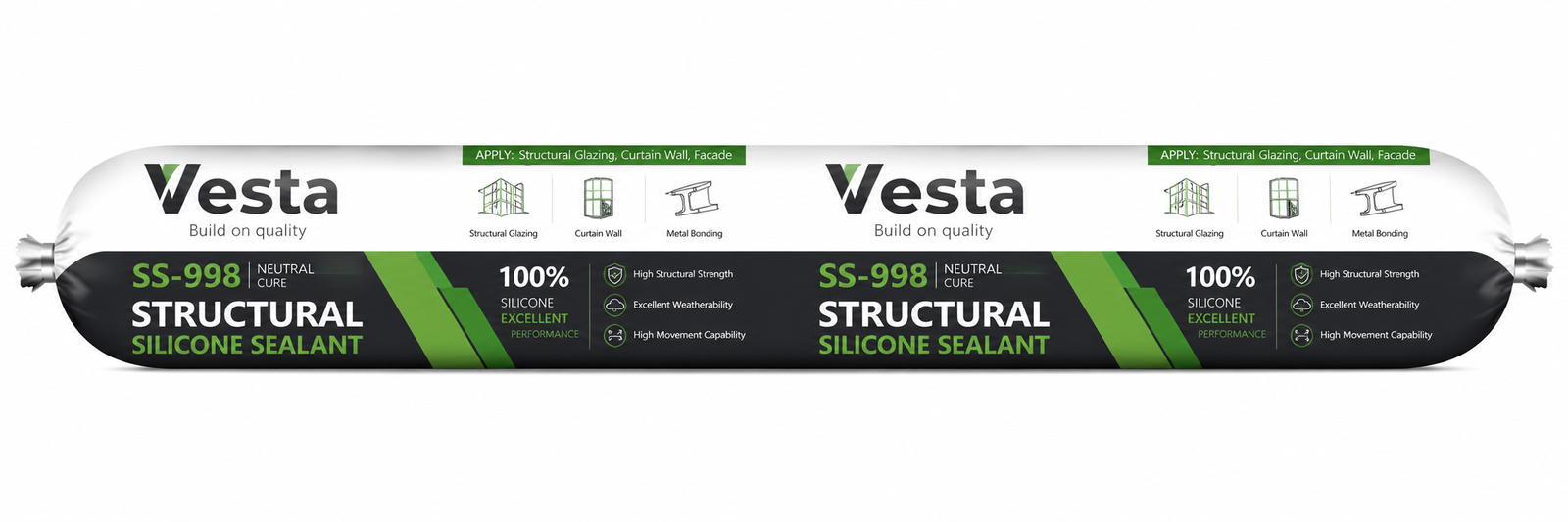
Alternative for specific conditions
Structural bonding and sealing in properly designed facade systems after actual-material adhesion, compatibility and project-design review.
Use the scene first to identify the joint, then check the substrate, exposure and movement below.

Weather-exposed perimeters around coated panels, cladding and exterior movement joints.
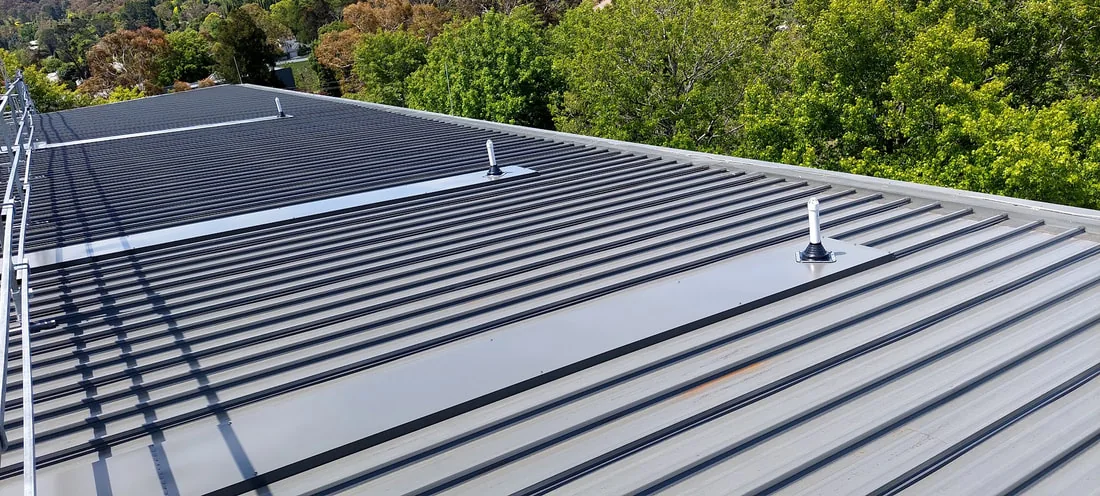
Compatible metal roof details and flashing connections exposed to rain and temperature change.
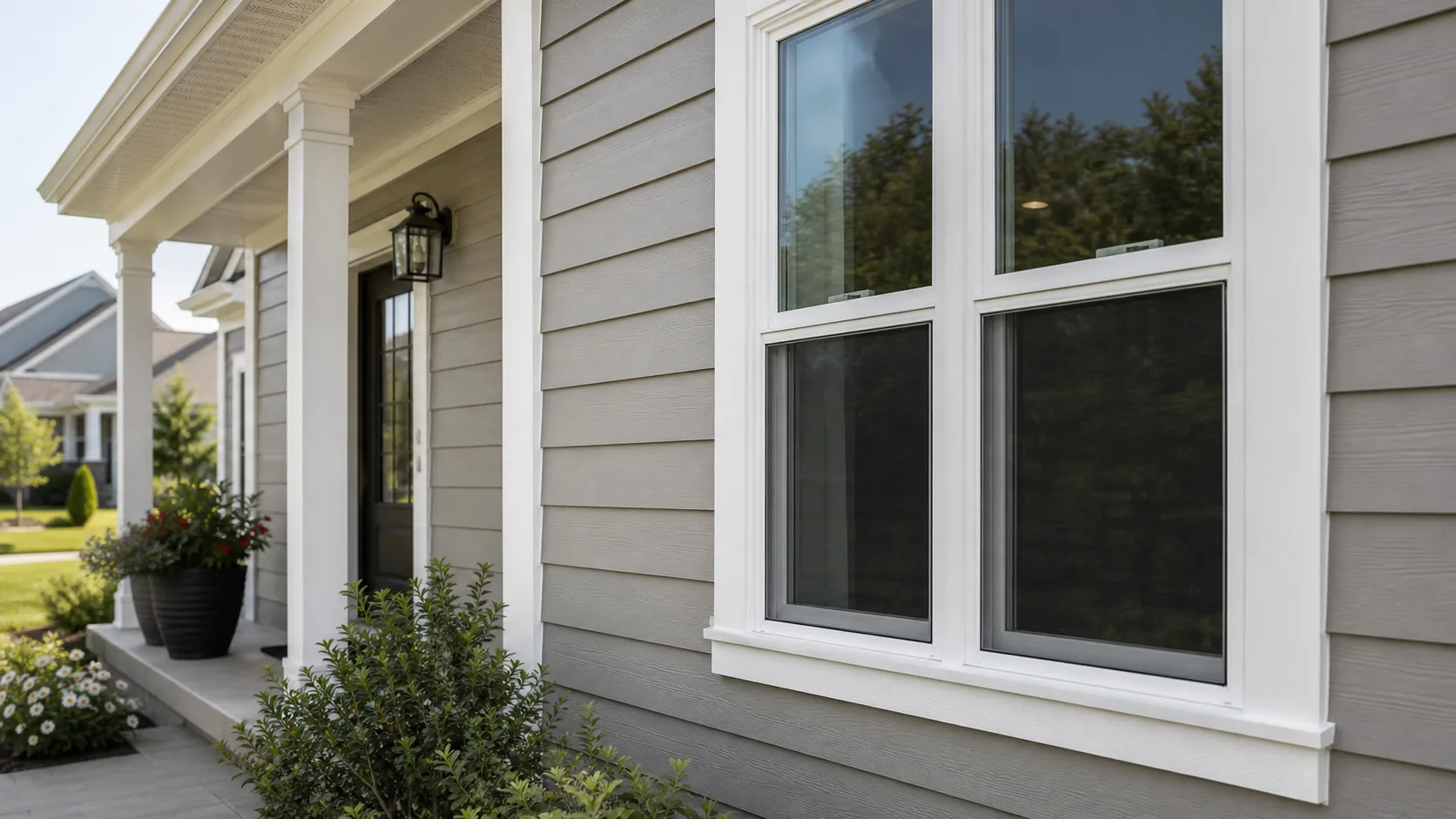
Frame-to-masonry and non-structural glass-to-metal connections that must shed water.
Product selection guidance
Before Application
Common Questions
Yes. WR550 is the Vesta product path for compatible exterior joints exposed to UV, rain and movement, including facade, roofing-detail and frame-perimeter applications.
Structural-glazing suitability is not claimed on this page. Request the relevant technical and test documentation and obtain written confirmation before any structural use.
No. Primer and surface-preparation requirements vary with the substrate, coating and project conditions. Perform project-specific adhesion testing and follow the current technical data.
Continue Exploring
Vesta Insights

Butyl and silicone are not interchangeable product categories. Start with material form and joint role, then check movement, exposure, substrates and exact system evidence.
Read Article
Industrial silicone sealant is not one grade. Define the job, process and evidence first, then choose the right product family.
Read Article
MS polymer and silicone solve overlapping jobs, but paintability, weathering, movement, substrates and bonding duty determine the better starting point.
Read ArticleShare the substrate, joint size, exposure, target market, color and quantity. Vesta can review the closest current product and available documents.