

SS-998 Neutral Structural Silicone Sealant
Structural Glazing & Curtain Wall Systems
Structural confidence starts at the bond line.
SS-998 is a one-component neutral-oxime structural silicone for glass-to-frame bonding in facade and curtain-wall systems. It helps your team move from material selection to testing, joint calculation and controlled production.
View Technical Data Sheet
Available colors
Black
White
Grey
Clear
| Pack size | Carton quantity | Outer carton size |
|---|---|---|
| 300 mL Cartridge | 24 units / carton | 300 × 243 × 200 mm |
| 600 mL Foil Sausage | 20 units / carton | 375 × 248 × 195 mm |
One-part applicationOne-component neutral oxime
Built for structural-bond reviewGlass-to-frame bonding in designed systems
Reference standard1 C G/AL · GB 16776-2025
Move the project forwardShare materials, joint details and documents
Key performance data
Before you choose a structural silicone, check these results.
When you compare structural silicones, one number is never the whole decision. Start with these four details: adhesion, conditioned adhesion, shear response and application control.
Product overview
One-part structural silicone for facade and curtain-wall teams.
A structural glass system works when the glass, frame, joint geometry and production process work together. SS-998 is a one-component neutral-oxime silicone for that glass-to-frame bond, giving your team a practical starting point for reviewing materials, sizing the joint and preparing the production package.
- Glass-to-frame structural bonding in properly designed facade systems
- Curtain-wall unit bonding under controlled production conditions
- Selected panel and metal bonding after actual-finish review
- One-component application with no component mixing
Where SS-998 Fits
Your finish is part of the bond
Float glass and anodized aluminum are the current working references, but coatings, gaskets and neighboring sealants can change the interface. Share the actual materials before production so the bond is checked against what will really be installed.
View Technical Data SheetTechnical data
The numbers you need for a first specification.
Compare cure, handling, physical properties and reported adhesion at a glance. For complete methods, conditions and interpretation limits, use the current SS-998 TDS.
| Property | Value | Basis / condition |
|---|---|---|
| Classification | 1 C G/AL | GB 16776-2025 |
| Cure system | One-component neutral oxime | Product information |
| Application temperature | 5–40°C | Application range |
| Working time | 10–20 min | Application and tooling window |
| Tack-free time | 0.5 h | Surface stage |
| Density | 1.37 g/cm³ | GB/T 13477.2-2018 |
| Vertical slump | 0 mm | GB/T 13477.6-2002 |
| Extrudability | 2 s | GB 16776-2025, 6.8 |
| Shore A hardness | 50 | Cured property |
| Tensile adhesion strength | 0.99 MPa | At 23°C; GB 16776-2025, 6.11 |
| Elongation at maximum tensile strength | 102% | GB 16776-2025, 6.11 |
| Shear strength | 0.97 MPa | GB 16776-2025, 6.12 |
See the current SS-998 TDS for complete methods and conditions.
Package options & supply details
- Packaging
- 300 mL cartridge
600 mL foil sausage - Available colors
- Black White Grey Clear
- Shelf life
- 18 months in original closed packaging
- Test basis
- Reported results under referenced methods
- Logistics
- Carton weight, pallet and container configuration is confirmed with your quotation, quantity and destination market.
Make the structural-bond decision
Start with the bond line. Finish with a system you can release.
SS-998 brings the structural-bonding conversation back to the complete system. The three views below show what the product data means at the glass, frame, joint and production stages.


Put the product data in the context of the joint.
This is where the product meets the building. Wind, glass weight and thermal movement act on the finished facade, not on a data sheet. SS-998 sits at the glass-to-frame interface, so the joint geometry, materials and production process matter as much as the number on the page.
The bond's jobCarry the designed load path.Wind and glass weight enter through the glass-to-frame bond.
The data's jobGive you a meaningful first comparison.Tensile and shear results show how candidates compare under their stated methods.
The project's jobCheck the real interfaces.Actual finishes and conditioning results need to be considered together.
The release decisionMake the design buildable.Testing, joint geometry and written approval bring the system to production.
Conceptual explanation only; use the approved project design and current TDS for the final decision.

Four questions to answer before the order moves forward.
Answer these early and your quotation will be based on the facade system you are actually building.
01 / Load pathWhat must the bond do?Define the load path and share the joint role, loads, movement and support conditions.
02 / MaterialsWhat are the real surfaces?Name the glass, coatings, metal finish, spacers, gaskets and adjacent sealants.
03 / TestingHas the interface been checked?Test the actual production materials for adhesion and compatibility.
04 / DecisionIs the joint ready?Approve the joint design, application control and technical release before production.
Reported tensile and shear values help with comparison; they do not establish a design stress or project approval.

Plan the work around the cure—not just the clock.
One-component neutral-oxime SS-998 starts curing where moisture reaches the exposed material and progresses inward. That gives your team a practical way to plan the work: allow time for application, understand the tack-free stage and let joint geometry and site conditions determine the next step.
Working time10–20 minComplete application and tooling within the workable period.
Tack-freeApprox. 0.5 hA surface-stage result; do not use it alone to decide full cure or service release.
Full cureDepends on geometryJoint depth and site conditions affect the cure progression.
Cure pathFrom surface inwardMoisture reaches the exposed material first, so depth and site conditions affect the cure front.
Conceptual cure explanation only. No fixed full-cure time or structural release time is declared here.
Make the finish part of the specification.
Two materials can share a name and still behave differently at the interface. Check the actual finish, cleaning method, coating and adjacent products before you specify—small details here can change the bond.
| Material group | Starting point | What to confirm |
|---|---|---|
| Float glass and anodized aluminum | Starting reference | Confirm the actual grade, finish, cleaning method and joint conditions before specification. |
| Coated glass and coated metals | Test exact finish | Test adhesion on the exact coating and confirm that preparation will not damage the finish. |
| Spacers, gaskets and setting materials | Check adjacent materials | Check cure interaction, adhesion, movement, staining and the actual production stack. |
| Plastics, membranes and sensitive finishes | Project review needed | Identify the exact material and complete adhesion, compatibility or stain testing. |
Start with the actual production materials; these routes are not universal substrate approvals. Structural use requires project-specific testing and approval.
Joint planning
Make the structural joint work on paper first.
Before the first cartridge is opened, get the bond line into the project calculation. Your joint dimensions and the current TDS give the team something concrete to review.
Design the bond around the project.
- Structural bite: size the glass-to-frame bond for the approved load path
- Glueline thickness: set the bond line for the approved system design
- Design stress: establish the value from the project calculation and actual conditions
- Release: move to production after actual-material testing and written technical approval
The calculator helps you plan material; the approved project design tells the bond how it must perform.
View Technical Data Sheet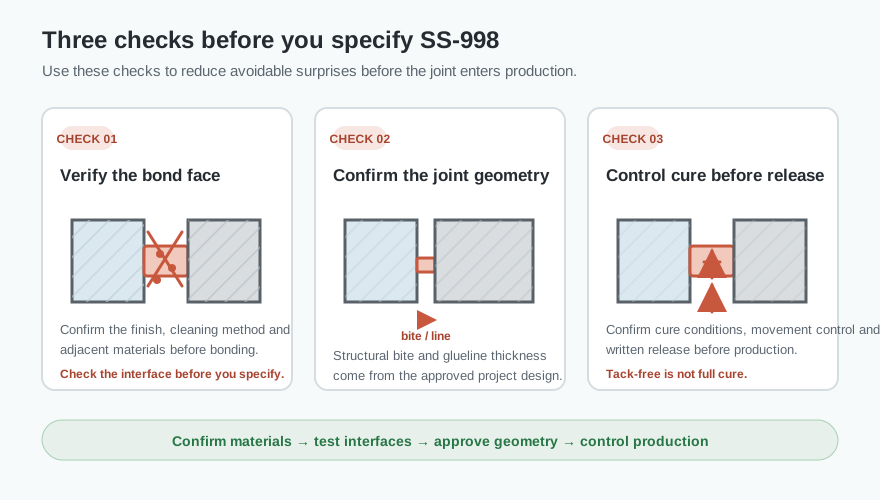
Quantity & shipping planner
Turn joint dimensions into a material estimate.
Need a quick quantity? Choose a package, enter your joint dimensions or wholesale quantity, and build an early estimate before you request a quotation.
How this estimate works
This estimate uses package volume, joint dimensions and the selected waste allowance. Use it to plan material and start a quotation; carton weight, pallet and container figures are confirmed for your market. Structural bite, glueline thickness and design stress belong to the approved system design.
Five checks that keep the project moving.
- Start with the load path.Tell us what the bond must retain, including the joint role, loads, movement and support conditions.
- Name the real materials.List the glass, coatings, metal finish, spacers, gaskets, setting blocks and adjacent sealants.
- Test the interfaces.Use the actual production materials for adhesion and compatibility testing.
- Size the joint.Use the approved project calculation for structural bite, glueline thickness and design stress; there is no one-size-fits-all SS-998 design value.
- Document the approved process.Record surface preparation, temperature, working time, cure and quality-control acceptance before releasing bonded units.
Common application mistakes
Six ways a structural-bond decision can go off track.
Most preventable problems start before production. Check the surface, neighboring materials, joint geometry and cure stage before the bead goes in.
Use tensile and shear results to compare the product, then set the design value from the approved project calculation.
Finish, coating and contamination change the interface. Check the surfaces that will actually enter production.
Spacers, gaskets, setting blocks and adjacent sealants can affect adhesion, cure interaction, movement and staining.
Set structural bite and glueline thickness from the approved system design, not a product-page shortcut.
The surface may stop transferring material while the joint is still curing inside.
Record preparation, application conditions, cure, testing and quality-control acceptance before releasing bonded units.
For distributors and brands
Build a structural-silicone range your customers can specify with confidence.
If you are building a range for distributors, contractors or private-label customers, tell us the facade system, actual materials, package format, quantity, destination market and required documents. We will help you confirm the right technical and commercial starting point.
Product FAQ
Before you choose SS-998
Is SS-998 intended for structural glazing?
Yes—SS-998 is intended as a structural-bonding and sealing option for properly designed facade and curtain-wall systems. The next step is to check the actual materials, joint calculation, production controls and technical approval for your system.
Can SS-998 be used on aluminum and glass?
It can be considered for glass and aluminum, starting with float glass and anodized aluminum as the working references. If your project uses coatings or special finishes, send the exact surface details for testing.
Do the reported tensile and shear values establish a design stress?
Not by themselves. The reported 0.99 MPa tensile-adhesion and 0.97 MPa shear results are useful for comparing the product under the referenced methods; the project calculation sets the design stress.
How should I estimate SS-998 quantity?
For a project, select Project Quantity and enter the joint length, width, depth and allowance. For wholesale planning, choose the package and quantity, then share your destination market so the quotation can confirm the logistics.
What packaging and colors are available?
SS-998 is listed in 300 mL cartridges and 600 mL foil sausages, with black, white, grey and clear listed colors. Confirm market availability, carton configuration and quantity in the written quotation.
Is a 0.5-hour tack-free result the same as full cure?
No. Tack-free is a surface milestone, not full cure or release to service. Plan around bead geometry, temperature, humidity, air access and the project quality-control criteria.
Technical documents
Get the documents your project team needs.
Download the current TDS, request the SDS, or send us your package, application and project requirements.
Technical Knowledge
Related insights

Structural Silicone Glazing: One-Part vs Two-Part Systems for Curtain-Wall Fabrication
Component count changes the structural-glazing process—not the mechanical-quality ranking. Compare cure path, joint design, mixing control, QC and release before choosing one-part or two-part.
Read Article
Does Silicone Sealant Need a Primer? How to Decide
Most routine silicone-sealant applications do not need primer when the product covers clean, sound and compatible surfaces. Learn what primer does, where it is normally...
Read Article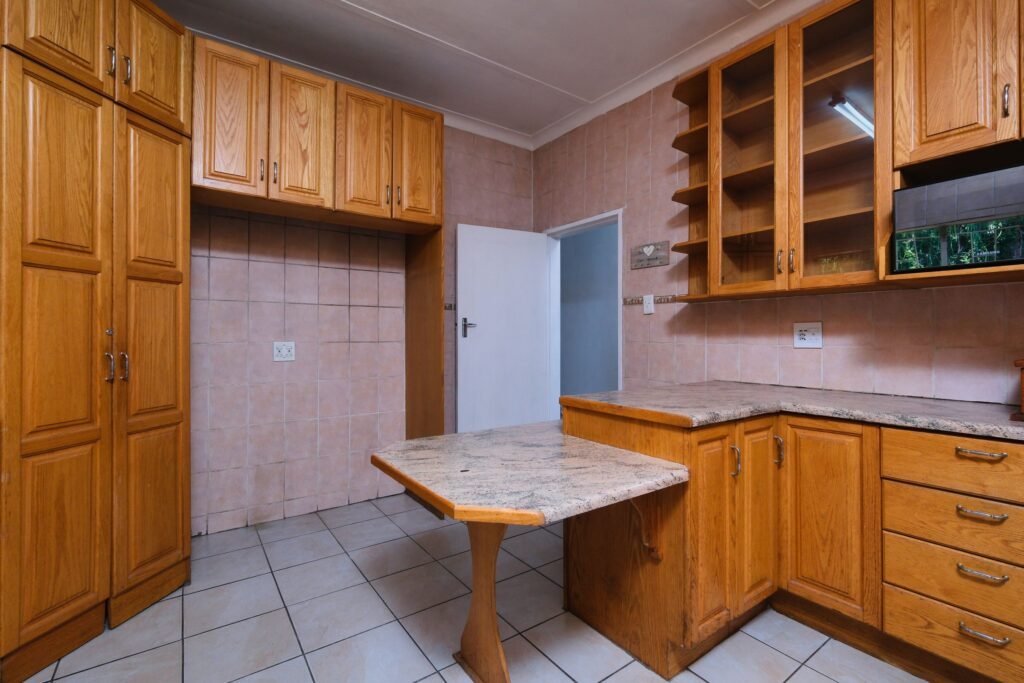
Silicone for Wood: Can You Seal Cabinets, Doors & Windows?
Silicone can seal some wood joints, but the real bond surface, moisture, movement and finishing plan decide whether it is the right choice.
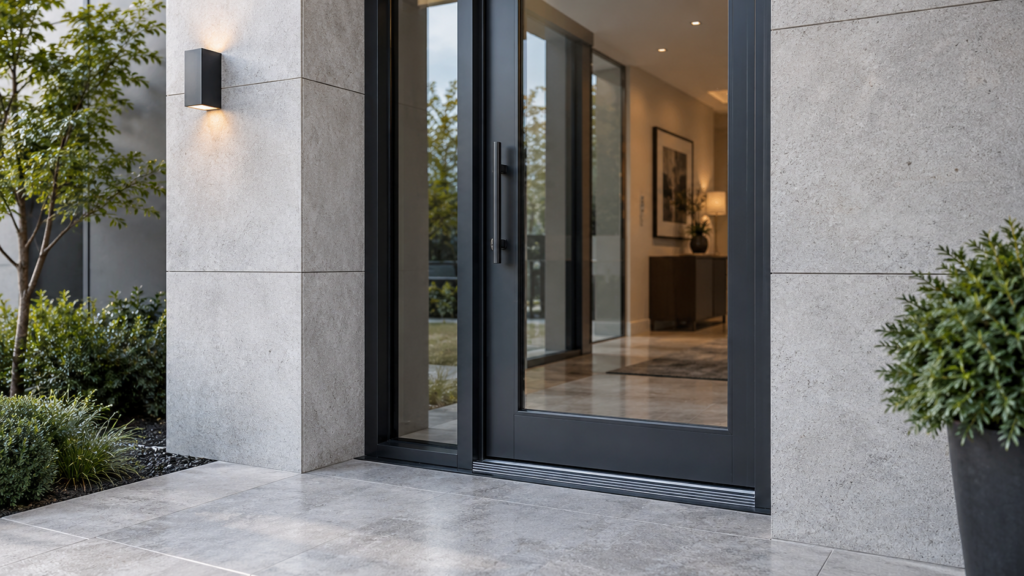
Read ArticleCaulk for Exterior Door Frames: What to Use and How to Apply
A door-frame bead is only one part of the opening. This guide separates the perimeter, threshold, weatherstrip and rough opening before you choose an exterior door-frame sealant.
Can You Use Silicone Sealant on PVC? A Guide to Plastic Compatibility
Silicone can work on some rigid PVC and plastic joints, but flexible PVC, difficult-to-bond plastics and specified connections need closer checks.

Is Silicone Sealant UV Resistant? What to Check Before Outdoor Use
Silicone is usually a strong choice for exposed outdoor joints. This guide explains where it works, what causes failure and which product data matter.

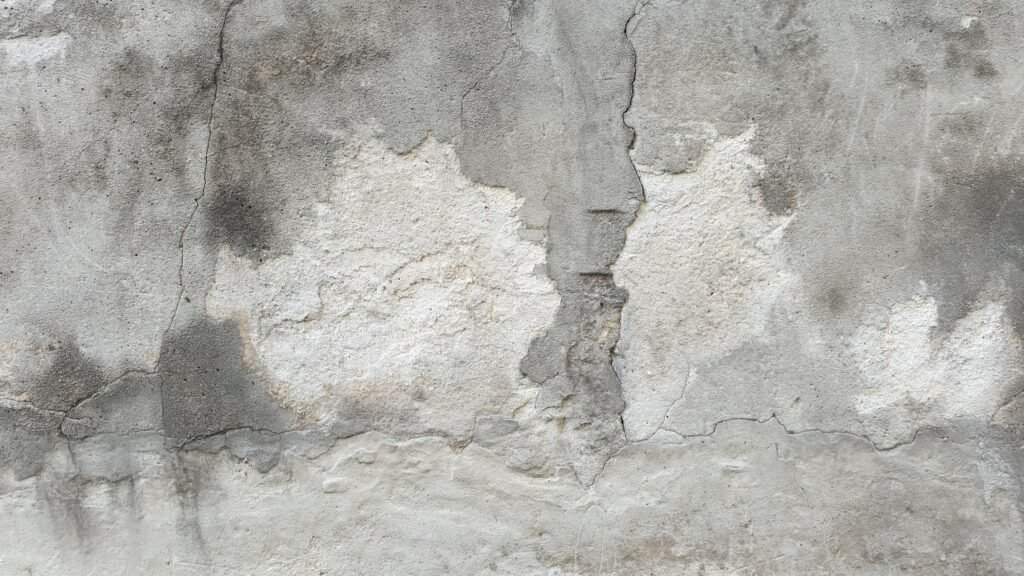
Concrete Joint Sealant: When Silicone Works—and When It Does Not
Silicone can work for some concrete joints, but not every gap is the same. This guide routes weatherseal, traffic, filler, crack and specialty conditions before you choose a concrete joint sealant.
Ready to see whether SS-998 fits your project?
Send us what the joint must do, which glass and metal finishes are involved, the joint details, package, quantity and destination market. We will help define the next technical step and the documents needed.
For a supply or private-label discussion, include the package format, color, quantity, destination market and artwork requirements.
Include these details
1. Structural role and joint details
2. Actual glass, metal and adjacent materials
3. Package, color and document requirements
4. Quantity and destination market