
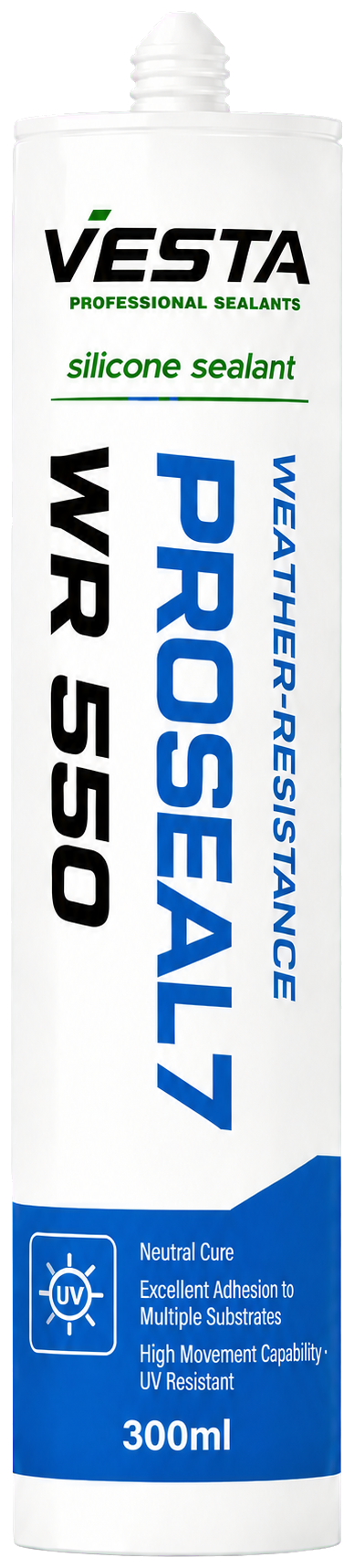
WR550 Weather-Resistant
Silicone Sealant
Recommended for Roofing, Facade & Curtain Wall
Weatherproof joints that move.
One-component, non-sag neutral oxime silicone weatherseal for non-structural facade, curtain-wall, roofing, window and door perimeter joints exposed to movement and weather.
View Technical Data Sheet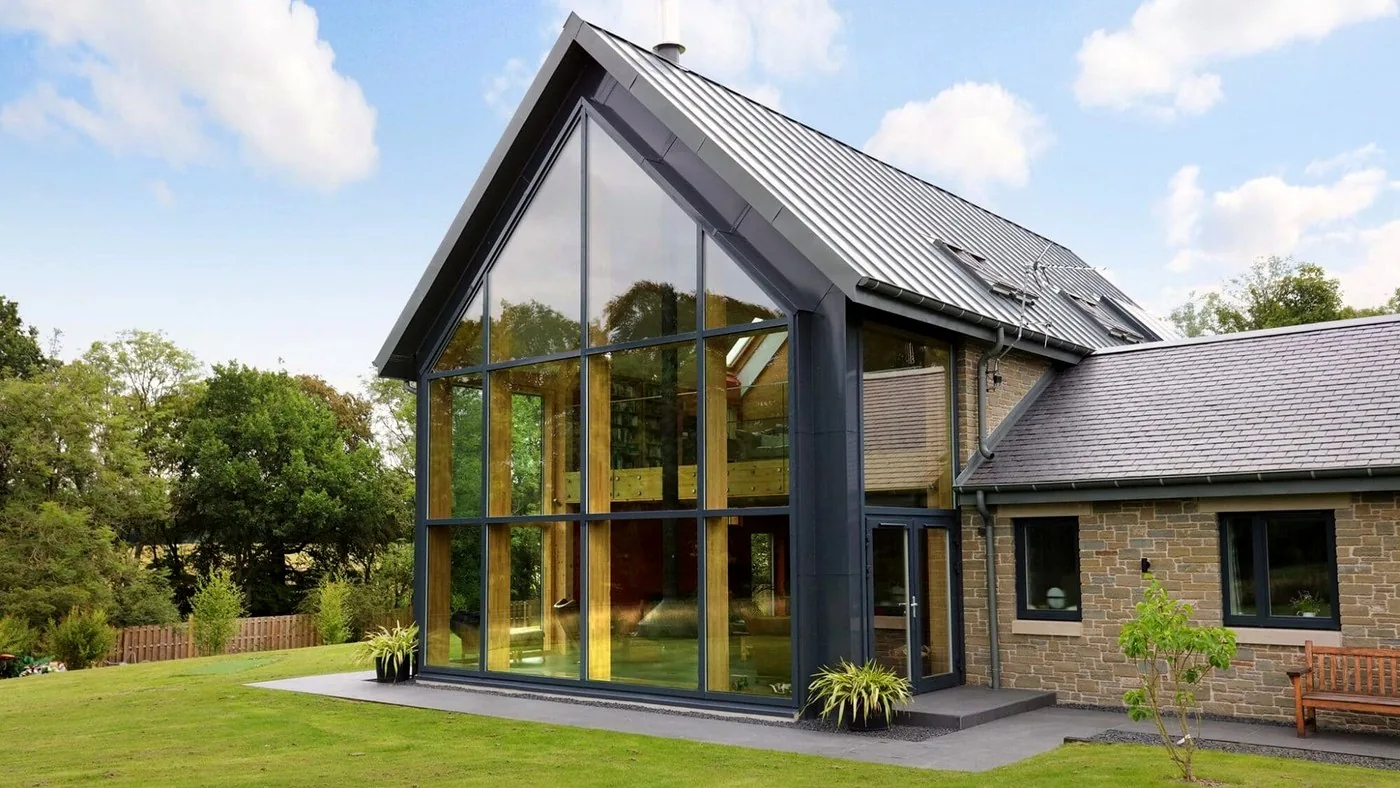
Available colors
Black
White
Grey
Clear
| Pack size | Units per carton | Outer carton size |
|---|---|---|
| 300 mL Cartridge | 24 units / carton | 300 × 243 × 200 mm |
| 600 mL Foil Sausage | 20 units / carton | 375 × 248 × 195 mm |
Cure systemOne-component neutral oxime
Movement capability±35% · GB/T Class 35
Typical cure rate2–3 mm / 24 h
Packaging300 mL Cartridge / 600 mL Foil Sausage
Core performance evidence
Selected performance evidence
Performance data that distinguishes WR550 from general-purpose sealing products.
Product overview
Weather sealing for moving building-envelope joints.
WR550 is a one-component, moisture-curing neutral oxime silicone supplied as a non-sag paste. It forms a flexible silicone elastomer for exterior weather-sealing joints where movement, rain, UV exposure and temperature variation are expected.
- Facade and curtain-wall perimeter weather seals
- Exterior window and door frame perimeters
- Selected roofing, flashing and metal-cladding details
- Movement joints exposed to UV, rain and temperature variation
Where WR550 Fits
Substrate planning
Type-test adhesion evidence covers anodized aluminum and float glass. For coated metals, concrete, masonry, rendered surfaces, plastics, membranes and natural stone, confirm adhesion and compatibility using the actual project materials.
View Technical Data Sheet
Technical data
Technical data
Core properties for product screening and comparison. For complete test methods, application guidance and specification details, refer to the current WR550 TDS.
| Property | Value | Basis / condition |
|---|---|---|
| Classification | GB/T 14683-2017 | |
| Movement capability | GB/T Class 35; correctly designed joints | |
| Modulus at 100% elongation | 0.6 MPa | Recorded under GB/T 13477.8-2017 |
| Consistency | Non-sag paste | 0 mm sag recorded under GB/T 13477.6-2002 |
| Elastic recovery | 93% | Recorded under GB/T 13477.17-2017 |
| Density | 1.49 g/cm³ | Tested under GB/T 13477.2-2018 |
| Skin formation | Approx. 25 min | Typical at 23°C / 50% RH |
| Tack-free time | 1 h | GB/T 13477.5-2002; not full cure |
| Cure rate | Approx. 2–3 mm / 24 h | Typical at 23°C / 50% RH |
| Shore A hardness | Approx. 40 | Typical cured-product value |
| Tensile strength | Typical cured-product value | |
| Elongation at break | Approx. 350% | Typical value; not movement capability |
| Application temperature | +5°C to +40°C | Ambient and substrate temperature |
| Service temperature | −40°C to +150°C | Product specification after full cure; review high-temperature exposure conditions |
Values are typical unless a test method or classification is stated. Cure behaviour varies with temperature, humidity and joint dimensions.
Cure & substrate compatibility
How WR550 neutral cure silicone sealant cures—and where testing matters.
For buyers comparing a neutral cure weatherproof silicone sealant for exterior joints, use the product-specific cure stages and substrate evidence below to plan application timing and decide when a project test is required.
How long does WR550 silicone sealant take to dry or cure?
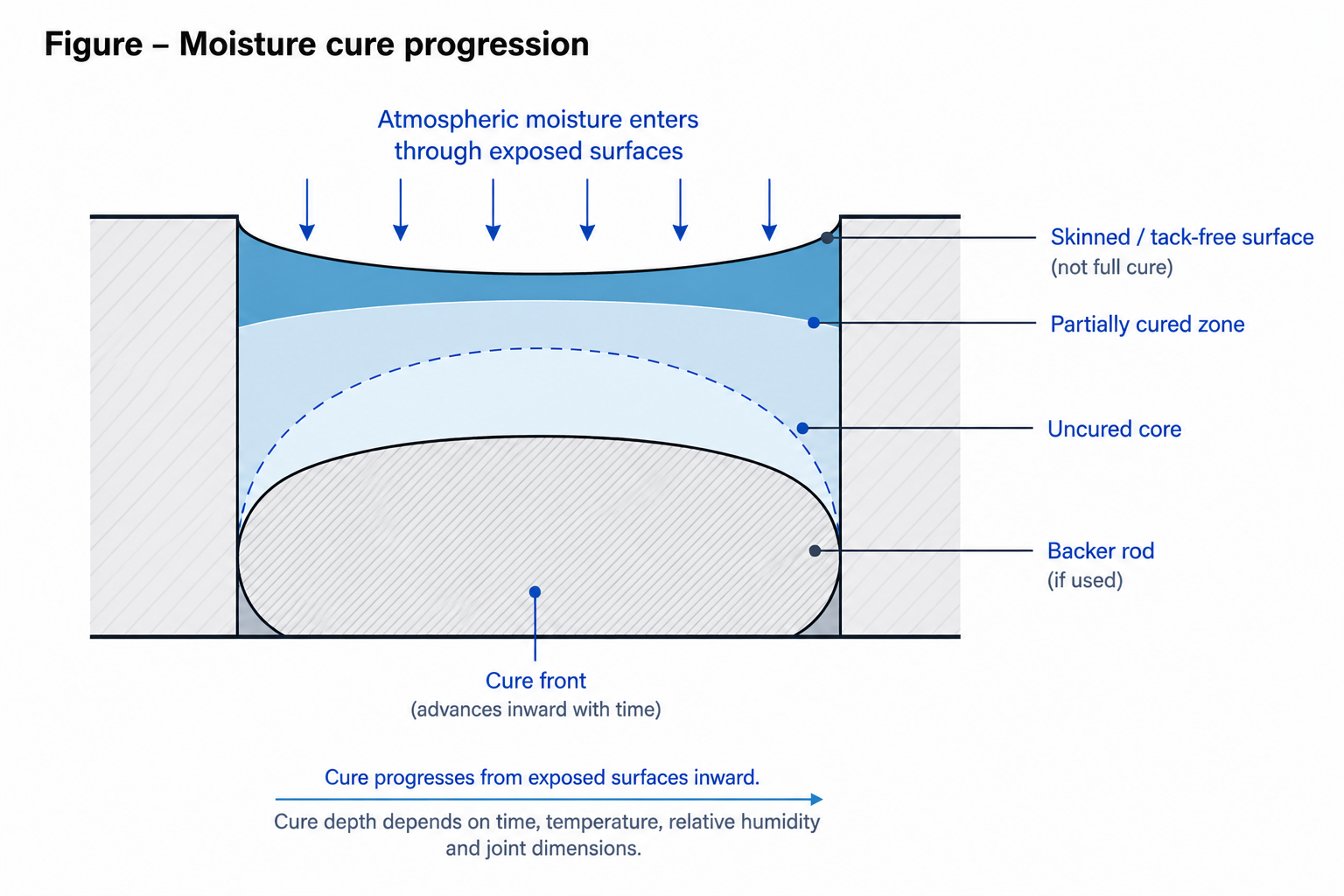
“Dry,” skin formation, tack-free time and through cure are different stages. WR550 is a one-component, moisture-curing sealant: atmospheric moisture reaches the exposed bead surface first, then cure progresses inward.
Skin formationApprox. 25 minA surface skin forms; the bead is not through-cured.
Tack-freeApprox. 1 hThe exposed surface no longer transfers material under the stated test.
Through cureApprox. 2–3 mm / 24 hTypical inward cure rate under standard conditions.
Full cureDepends on geometryJoint depth, temperature, humidity and air circulation affect timing.
Typical values are based on 23°C and 50% relative humidity. A 7 mm bead may require about 7 days under standard conditions; deeper, colder, drier or more confined joints may take longer. Tack-free is not proof of full cure or return to service.
How to screen WR550 silicone sealant for aluminum, glass, concrete and other building materials.
Material names alone do not establish compatibility. Finish, coating, porosity, contamination and adjacent materials can change adhesion or staining risk.
| Substrate group | Evidence status | What to confirm |
|---|---|---|
| Anodized aluminum and float glass | Type-Tested | Confirm the actual grade, finish, cleaning method and joint conditions before specification. |
| Coated aluminum and other coated metals | Project Test | Test adhesion on the exact coating and confirm that preparation will not damage the finish. |
| Concrete, masonry and rendered surfaces | Project Test | Confirm that the bond faces are clean, dry and sound, then test the actual porous substrate. |
| Plastics, plasticized materials and membranes | Review Required | Identify the exact material and check adhesion, cure interaction, migration and staining risk. |
| Natural stone and sensitive finishes | Stain Test | Complete compatibility and stain testing before product approval or visible installation. |
Evidence boundary: WR550 adhesion evidence covers anodized aluminum and float glass. The other groups above are screening routes, not universal substrate approvals.
Supply & joint design
Product options and joint geometry.
Use the product format and joint dimensions below for early planning, then review the full design guidance in the TDS.
Cartridge & Sausage Packaging
- Packaging
- 300 mL cartridge
600 mL foil sausage - Available colors
- Black White Grey Clear Need another color? Ask for Project Fit
- Shelf life
- 12 months in original unopened packaging
- Storage
- +5°C to +27°C in a cool, dry, ventilated location
- Format guidance
- WR550 is supplied in 300 mL cartridges and 600 mL foil sausages. For buyers sourcing sausage silicone sealant for professional exterior weather-sealing work, the foil sausage format provides a practical option for higher-volume application using compatible sausage guns.
Joint design
- Minimum joint width: 6 mm
- Minimum sealant depth: 6 mm
- Maximum sealant depth: 15 mm
- Preferred proportion: 2:1 width-to-depth ratio
Use a compatible closed-cell backer rod or bond-breaker tape to control depth and maintain two-sided adhesion.
View Technical Data Sheet
Quantity & shipping planner
Plan the order your way.
Start with cartons and pallets for a wholesale order, or use joint dimensions for a project quantity.
Calculation basis
Weight uses the confirmed carton range: transparent colour at the lower end and other current colours at the upper end. CBM is the sum of outer-carton volumes and excludes the pallet base, palletizing voids and final loaded dimensions. The 20 ft figure is a packing reference; payload, route and carrier limits may reduce the actual load.
A practical five-step application summary.
- Confirm the joint.Check the expected movement, joint dimensions and substrate combination before application.
- Prepare clean bond faces.Remove oil, dust, weak layers, old sealant and other bond-inhibiting material. Keep the bond faces clean and dry.
- Control sealant depth.Use a compatible closed-cell backer rod or bond-breaker tape to support two-sided adhesion.
- Fill continuously.Apply from the joint base and maintain full contact with both bond faces while minimizing air voids.
- Tool and protect.Tool before skin formation, remove masking promptly and protect the joint from direct rain for at least 24 hours under normal conditions.
Common application mistakes
Avoid the errors that cause exterior silicone sealant to bond or cure poorly.
Most avoidable failures begin before tooling: the wrong bond surface, unverified compatibility, uncontrolled depth or an incorrect assumption about cure stage.
Old sealant and residual silicone film can prevent the new bead from contacting the intended bond faces. Remove bond-inhibiting residue and inspect the actual substrates.
“Aluminum,” “glass” or “concrete” does not identify the finish, coating, porosity or contamination. Test the exact project materials where current evidence does not cover them.
Bonding to the joint base restricts movement and concentrates stress. Use a compatible backer rod or bond-breaker detail to maintain two-sided adhesion.
WR550 guidance starts at 6 mm width and depth, limits depth to 15 mm and prefers about a 2:1 width-to-depth ratio. Unusual joints need technical review.
A surface that no longer transfers material may still have an uncured interior. Plan handling, exposure and movement around the actual bead depth and site conditions.
Tool before skin formation, keep the bond faces clean and protect the fresh joint from direct rain for at least 24 hours under normal conditions.
For distributors and brands
Build WR550 into a wholesale or private-label range.
Use WR550 as the exterior weather-sealing starting product for your market. Share the required color, cartridge or foil sausage format, quantity, destination market and artwork needs so the commercial and technical scope can be reviewed together.
Product FAQ
Common WR550 selection questions
How is WR550 different from a general-purpose neutral silicone?
WR550 is designed for exterior weather-sealing joints where regular movement, UV exposure, rain and temperature changes are expected. It is classified to GB/T Class 35 with ±35% movement capability, records 93% elastic recovery and 0 mm vertical sag, and has conditioned adhesion evidence on anodized aluminum and float glass. A general-purpose neutral silicone may be suitable for simpler sealing work, but WR550 provides more specific performance data for moving building-envelope joints.
Is WR550 intended for structural glazing?
No. WR550 is a non-structural weatherseal and is not intended to transfer permanent structural loads or replace a structural glazing silicone. Its role is to seal compatible facade, curtain-wall perimeter, roofing, window and door joints against weather while accommodating joint movement. Where the sealant is expected to retain glass or carry structural load, a separately qualified structural glazing silicone should be specified instead.
Can WR550 be used on aluminum, glass, concrete or coated metal?
WR550 has type-test adhesion evidence on anodized aluminum and float glass. Coated aluminum, other coated metals, concrete, masonry, rendered surfaces, plastics, membranes and natural stone should be evaluated using the actual project materials before specification. Coatings, porosity, contamination and adjacent materials can change adhesion or staining behavior, so a material name alone is not enough to confirm compatibility.
How long does WR550 silicone sealant take to dry or fully cure?
At 23°C and 50% relative humidity, WR550 typically forms a surface skin in about 25 minutes, becomes tack-free in about 1 hour and cures inward at approximately 2–3 mm per 24 hours. Tack-free does not mean fully cured. A 7 mm-deep bead may require about 7 days under standard conditions, while deeper joints, lower temperatures, lower humidity or restricted air circulation can extend the cure time.
What joint size is recommended for WR550?
Current WR550 guidance starts with a minimum joint width of 6 mm and a minimum sealant depth of 6 mm, with a maximum recommended sealant depth of 15 mm. A width-to-depth ratio of about 2:1 is preferred for typical movement joints. A compatible closed-cell backer rod or bond-breaker tape should be used where needed to control depth and maintain two-sided adhesion rather than three-sided bonding.
What packaging, carton quantities and colors are available for WR550?
WR550 is available in 300 mL cartridges packed 24 per carton and 600 mL foil sausages packed 20 per carton. Current listed colors are black, white, grey and clear. Project-specific colors can also be discussed based on the required quantity, color reference and destination market. Buyers should confirm the required package format and color when requesting samples or quotations.
Can WR550 be matched to grey RAL colors for facade and curtain-wall projects?
Project-specific grey color matching can be discussed for WR550 when the facade, curtain-wall frame, window profile or cladding system requires the sealant to coordinate with the surrounding finish. Typical architectural grey references that buyers may specify include RAL 7016 Anthracite Grey, RAL 7024 Graphite Grey and RAL 7039 Quartz Grey.
The required RAL reference should be confirmed before production because “grey” can cover noticeably different tones, and the final sealant color should be approved against the intended project finish or agreed color reference. Custom color availability depends on the required quantity and production scope, so these RAL references should be treated as project color-matching examples rather than standard stock-color claims.
When should I choose a 600 mL sausage instead of a 300 mL cartridge?
The 600 mL foil sausage format is generally more practical for professional projects that require higher-volume dispensing, while the 300 mL cartridge is convenient for smaller jobs, maintenance work or applications where cartridge guns are already standard. WR550 is offered in both formats. The sausage version requires a compatible sausage gun, and buyers should confirm the required package format, quantity, color and destination market before ordering.
Technical documents
Review the documents behind WR550.
View the current Technical Data Sheet, request the applicable Safety Data Sheet, or contact Vesta about samples, packaging and project requirements.
Technical Knowledge
Related insights
Caulk for Exterior Door Frames: What to Use and How to Apply
A door-frame bead is only one part of the opening. This guide separates the perimeter, threshold, weatherstrip and rough opening before you choose an exterior...
Read Article
Can You Use Silicone Sealant on PVC? A Guide to Plastic Compatibility
Silicone can work on some rigid PVC and plastic joints, but flexible PVC, difficult-to-bond plastics and specified connections need closer checks.
Read Article
Is Silicone Sealant UV Resistant? What to Check Before Outdoor Use
Silicone is usually a strong choice for exposed outdoor joints. This guide explains where it works, what causes failure and which product data matter.
Read ArticleConcrete Joint Sealant: When Silicone Works—and When It Does Not
Silicone can work for some concrete joints, but not every gap is the same. This guide routes weatherseal, traffic, filler, crack and specialty conditions before you choose a concrete joint sealant.
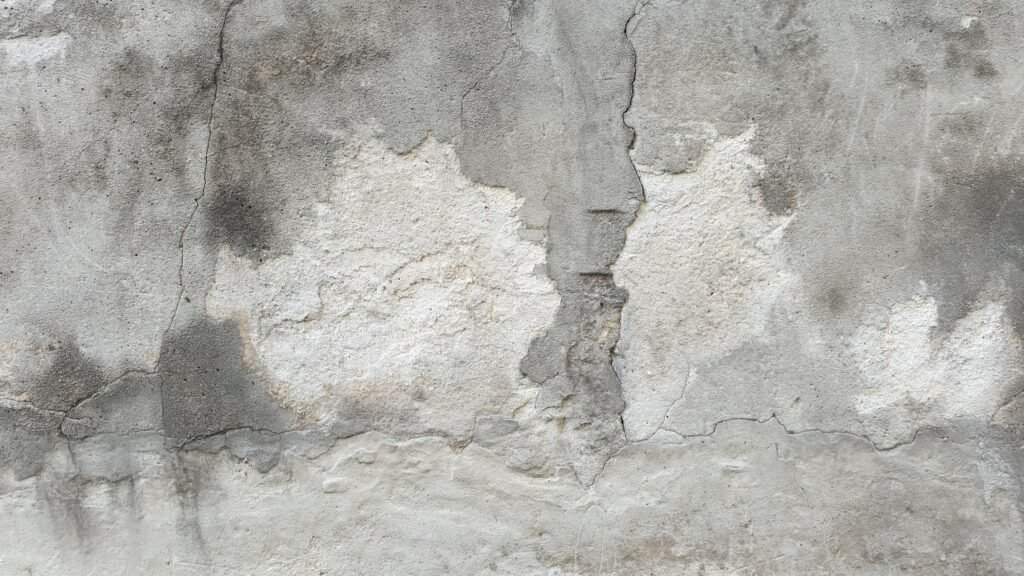
Does Silicone Sealant Need a Primer? How to Decide
Most routine silicone-sealant applications do not need primer when the product covers clean, sound and compatible surfaces. Learn what primer does, where it is normally unnecessary and which exceptions need it.

Silicone Sealant for Glass: A Buyer’s Selection Guide
There is no single best silicone for every glass joint. Start with joint role and the actual bond-line surface, then map adjacent materials and match the product document to the work.

Does Silicone Caulk Expire? Shelf Life, Storage, and Batch Checks for Buyers
Unused silicone caulk can expire. Learn how to check product-specific shelf life, calculate remaining life, inspect a batch at receipt, and control opened or short-dated stock.
Ready to evaluate WR550 for your market or project?
Share your substrate, joint size, exposure conditions, color, package, quantity and destination market. We can recommend the next step, prepare samples and discuss distributor or private-label requirements.
Need WR550 in your own packaging? Share the pack format, color, quantity, destination market and artwork requirements.
Include in Your Inquiry
1. Substrate and joint size
2. Indoor or outdoor exposure
3. Color and package requirements
4. Quantity and destination market