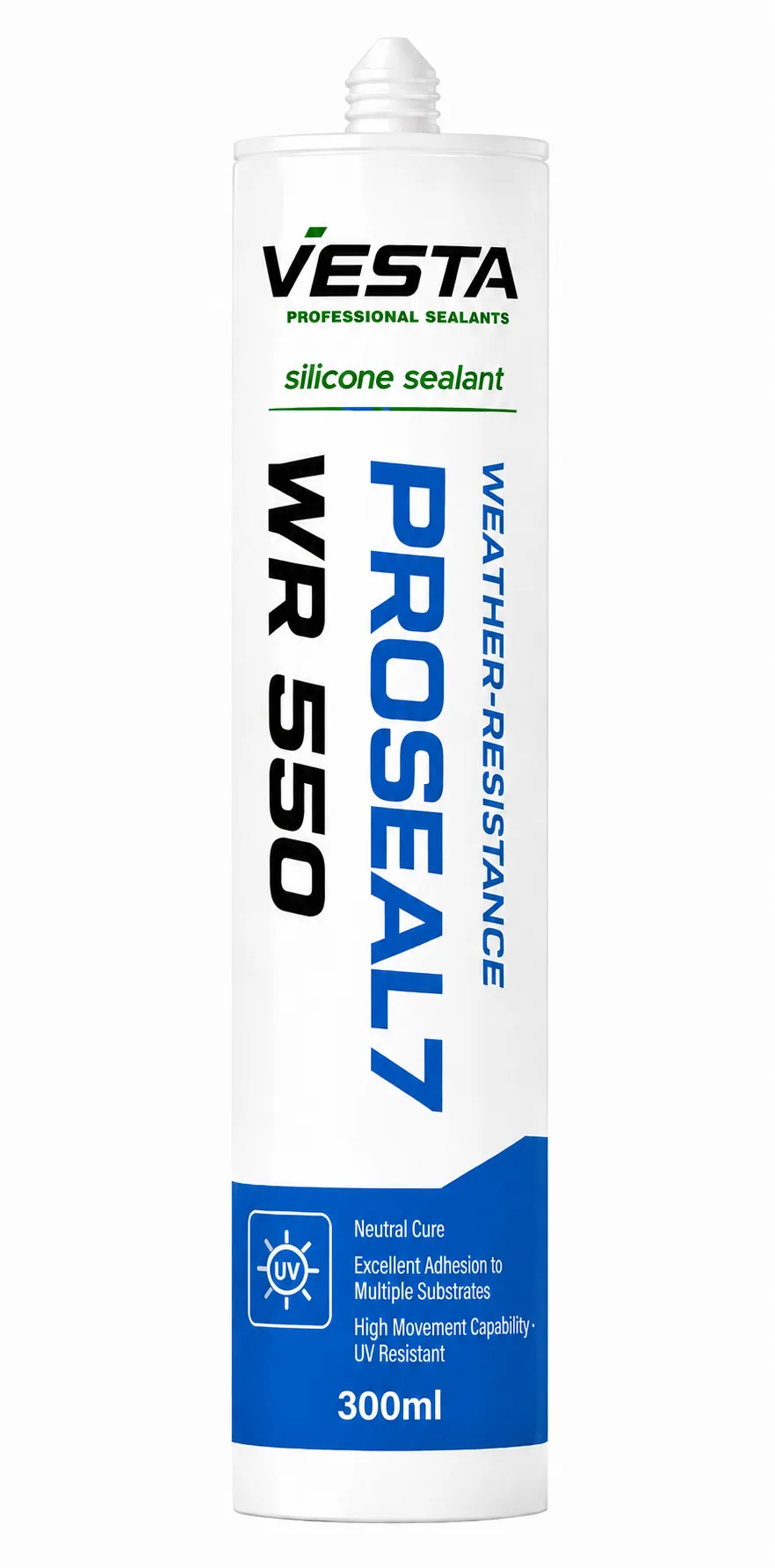
Primary recommendation
WR550 Weather-Resistant Silicone
Neutral-cure exterior silicone for compatible roof, facade, window-frame and movement-joint applications exposed to weather.

Sealant Application Guide
Start by identifying what the joint must do. Use WR550 for compatible non-structural exterior weatherseals around facade panels, metal roof details, flashing, frames and masonry transitions. When the joint bonds glass to the frame and carries the designed structural load path, review SS-998 instead. Curtain wall systems still require the actual finishes, joint design and project documents to be checked before production.
Start with the product matched to the joint exposure, then confirm substrate compatibility and project requirements.
Primary recommendation
Neutral-cure exterior silicone for compatible roof, facade, window-frame and movement-joint applications exposed to weather.

Alternative for specific conditions
Choose SS-998 for the designed glass-to-frame structural bond. Its one-component format and reported adhesion and shear results give facade teams a clear starting point for project evaluation.
Use the scene first to identify the joint, then check the substrate, exposure and movement below.

Weather-exposed perimeters around coated panels, cladding and exterior movement joints.
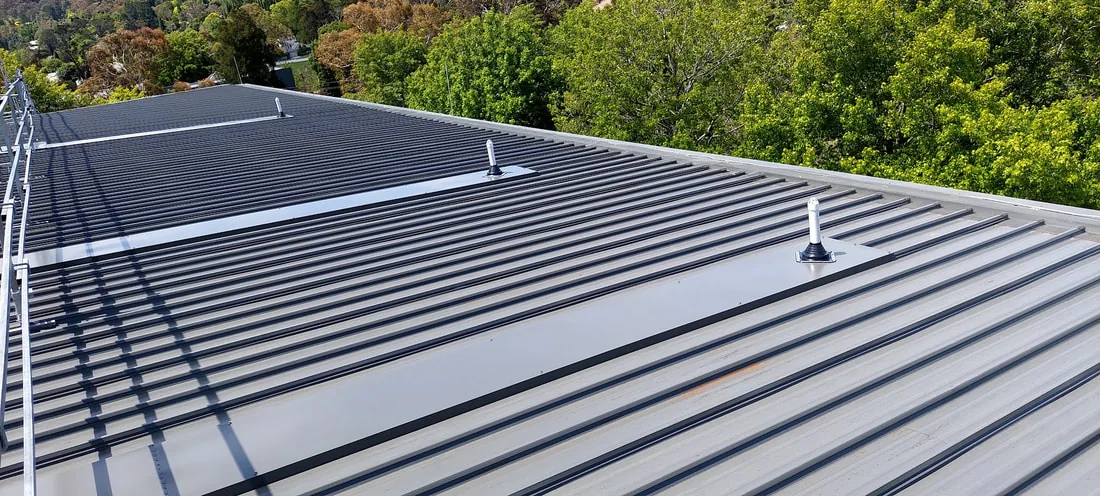
Compatible metal roof details and flashing connections exposed to rain and temperature change.
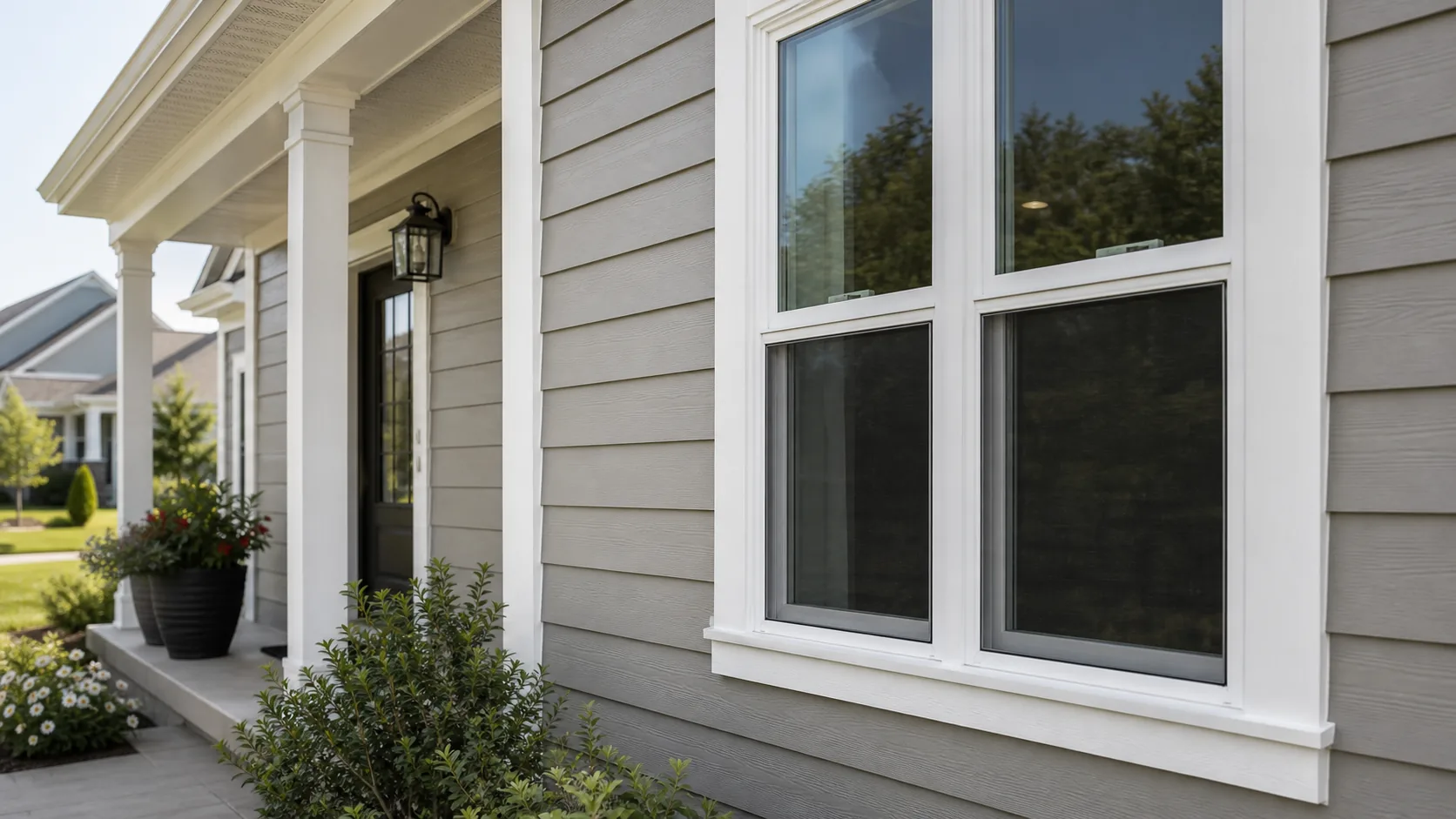
Frame-to-masonry and non-structural glass-to-metal connections that must shed water.
Product selection guidance
Before Application
Common Questions
Yes. WR550 is designed for compatible exterior joints exposed to UV, rain and movement, including facade, roofing-detail and frame-perimeter applications.
SS-998 is the Vesta starting product for glass-to-frame structural bonding in properly designed facade and curtain-wall systems. Use the current TDS, actual-material testing, the approved joint calculation and written technical approval before production.
No. WR550 is the weatherseal route for compatible non-structural exterior joints. Review SS-998 when the sealant forms the glass-to-frame structural bond, then complete the required project-specific evaluation.
No. Primer and surface-preparation requirements vary with the substrate, coating and project conditions. Perform project-specific adhesion testing and follow the current technical data.
Continue Exploring
Technical Knowledge

Use backer rod to control the sealant cavity, prevent three-sided adhesion and support tooling—then verify the backing material and geometry in the exact product documents.
Read Article
Calculate how much sealant you need from joint length, width and depth, then estimate the number of cartridges or packages required.
Read Article
What sealant does a capsule house need? Start with weatherseal silicone for compatible exterior joints, then match roof, module, membrane and penetration details to the...
Read ArticleChoose a metal-roof or gutter sealant by identifying the joint, separating system seals from exposed weatherseals, then checking chemistry, coating, exposure, TDS evidence, sample and project approval.
A diagnosis-first guide for deciding whether a failed curtain-wall joint needs local evaluation, a full reseal assessment, more evidence or a qualified specialist.

A practical comparison of polyurethane and silicone applications, strengths, limitations and common mistakes across construction, automotive, glazing, wet-area and paintable work.

A practical buyer checklist for comparing private-label caulk manufacturers across product fit, performance, packaging, samples, documents and repeat-order control.
Share the substrate, joint size, exposure, target market, color and quantity. Vesta can review the closest current product and available documents.