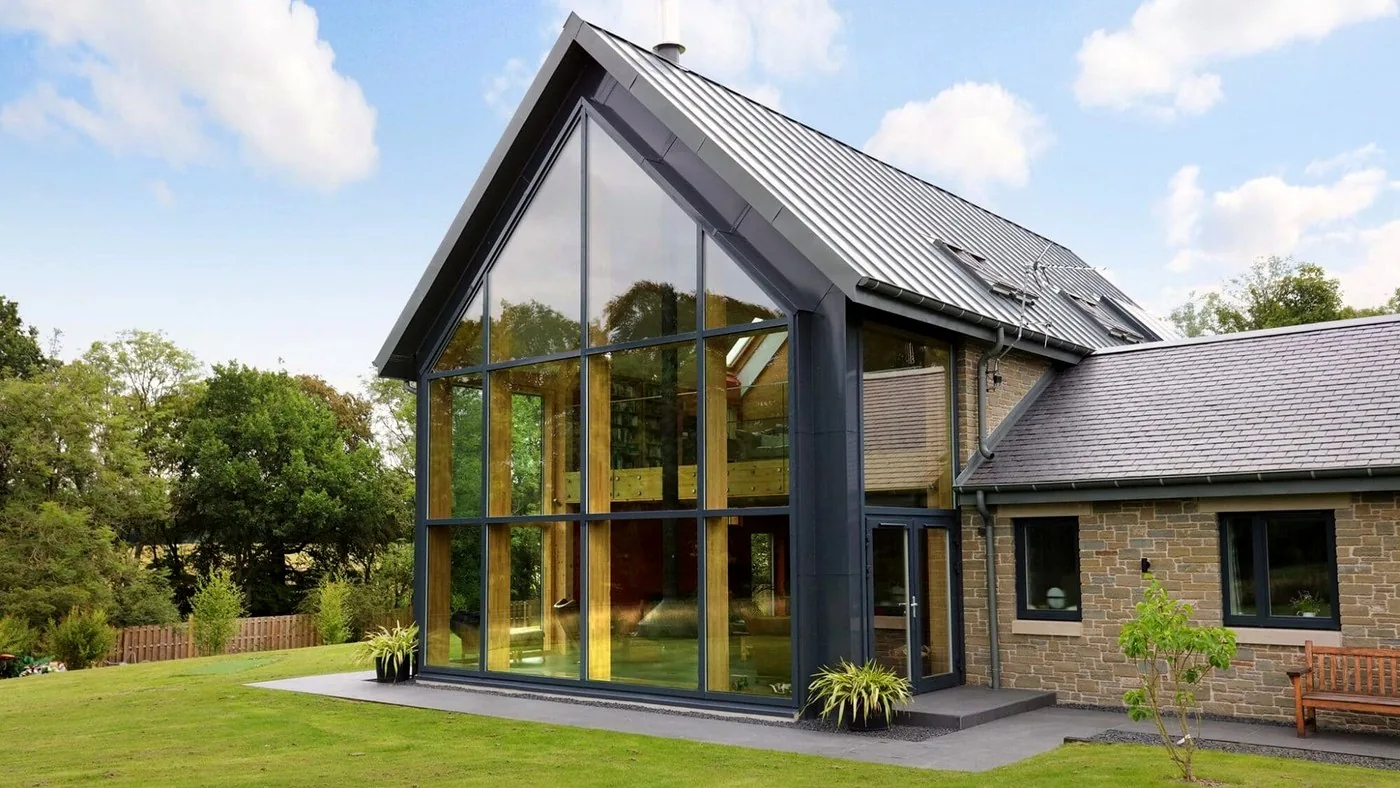

Glass and aluminum curtain wall with visible perimeter framing and joint lines

Curtain Wall Application Guide

Curtain Wall Sealant for Perimeter & Weatherseal Joints

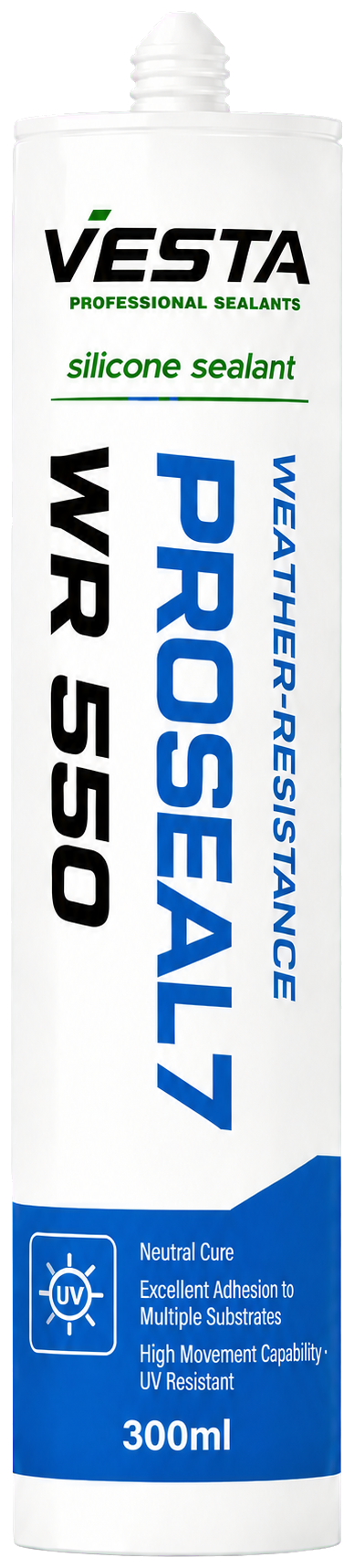
Curtain wall systems use different sealants for different jobs. WR550 is the Vesta starting product for compatible non-structural perimeter weatherseals that manage rain, UV and movement. SS-998 is the starting product for properly designed glass-to-frame structural bonding. Identify the joint role first, then check the actual glass, frame finish, geometry and adjacent materials.

Where This Application Fits

Match the visible joint to its actual function.

Use these common joint locations to narrow the application, then match the sealant to the system specification and actual project materials.

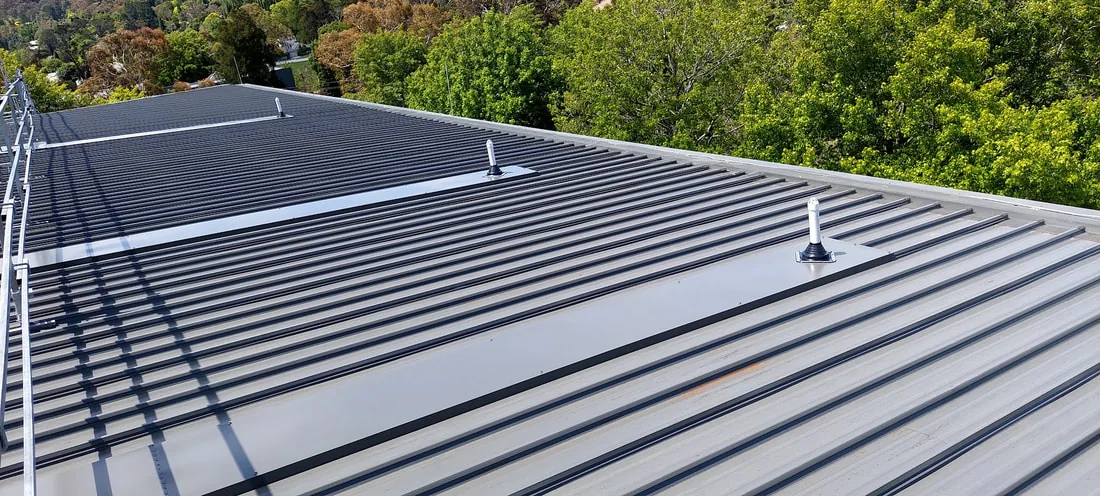
Exterior curtain wall perimeter weatherseal scene

Curtain Wall Perimeter Weather Seals

Non-structural exterior joints around the curtain wall perimeter.

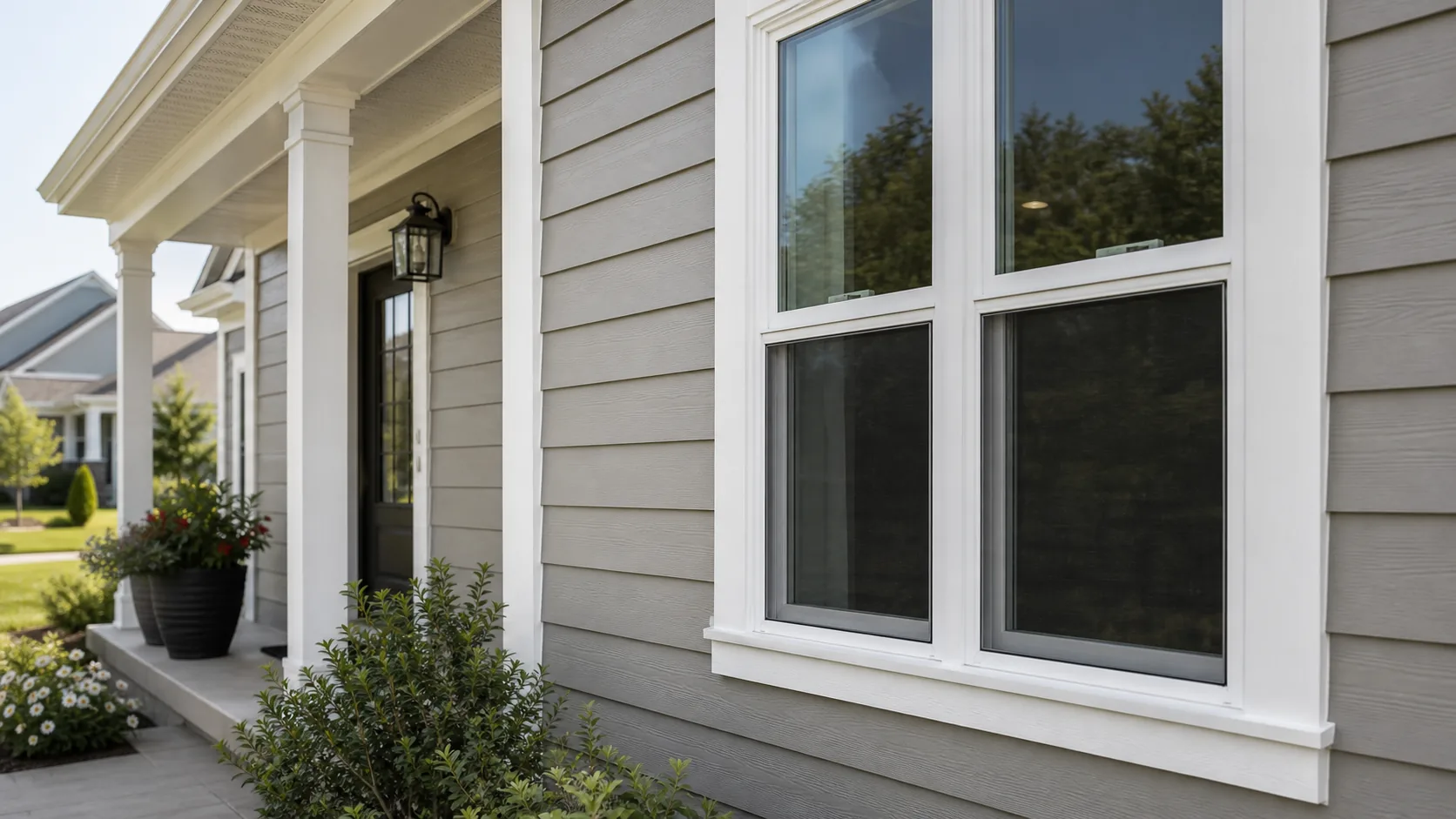
Glass and aluminum curtain wall weatherseal joint

Glass-to-Aluminum Weatherseal Joints

Compatible non-structural glazing-to-frame joints requiring weather resistance and movement accommodation.

Curtain wall movement and maintenance joint

Movement & Maintenance Joints

Approved non-structural movement or maintenance joints within compatible perimeter systems.

  • Exterior perimeter weather seals
  • Glass-to-aluminum perimeter connections
  • Glazed-system-to-masonry interfaces
  • Adjacent facade panel transitions
  • Approved maintenance joints
  • Non-structural movement joints

Selection Gate 01

Identify the Curtain Wall Joint First

Product selection begins with joint function—not simply with the words “glass” and “aluminum.”

Scroll horizontally to compare all columns →

Joint typeMain functionRecommended direction
Perimeter weathersealWeather protection + movementStart with WR550
Non-structural glass-to-frame weathersealWeather protectionStart with WR550
Structural glazing jointStructural bonding / load transferStart with SS-998 project review
IG secondary sealInsulating-glass system functionChoose a qualified IG material
Firestop jointFire-resistance systemChoose an approved firestop system

Selection Gate 02

How to Choose a Sealant for Curtain Wall Joints

Use the system specification as the starting point, then work through the six checks in order.

  1. 01

    Joint Function

    Determine whether the joint is a perimeter weatherseal, movement joint, maintenance joint, structural glazing joint or another specialized system joint.

  2. 02

    Substrate and Finish

    Identify float or coated glass, anodized or powder-coated aluminum, coated metal, concrete, masonry and every actual surface finish. “Glass + aluminum” alone is not enough information.

  3. 03

    Expected Movement

    Calculate thermal cycling, expected width change and the movement capability required by the project specification.

  4. 04

    Joint Geometry

    Confirm joint width, depth, backing material, backer rod, two-sided adhesion and tooling access.

  5. 05

    Adjacent Materials

    Check compatibility with coatings, gaskets, backing materials, insulating-glass edge seals and membranes where relevant.

  6. 06

    Exposure

    Confirm ultraviolet light, rain, temperature cycling, exterior service conditions and designed water-management paths.

WR550 Curtain Wall Performance

What WR550 Brings to Curtain Wall Weatherseals

Four published performance points make WR550 a practical starting product for compatible moving, weather-exposed curtain wall joints.

Scroll horizontally to compare all columns →

What the joint needsWR550 performanceHow it helps
Joint movementClass 35 with declared ±35% movement capability under GB/T 14683-2017Helps a correctly designed perimeter joint accommodate cyclical opening and closing.
Recovery after deformation93% elastic recovery under GB/T 13477.17-2017Shows the cured sealant recovering after the deformation used in the test.
Vertical application0 mm sag under GB/T 13477.6-2002 test conditionsHelps the fresh bead hold its shape in vertical curtain wall joints.
Glass-to-frame adhesionNo failure in the stated conditioned-adhesion tests on float glass and anodized aluminumGives you a tested starting point for a common glass-and-aluminum interface.

Verify the full methods and results in the WR550 Technical Data Sheet, Rev. 01, issued 24 Jul 2026. For coated glass, powder-coated or PVDF aluminum, gaskets and IG edge seals, send the actual project materials for adhesion and compatibility testing.

Product Fit

Where WR550 Fits—and What to Verify

Use the first column to see the performance we can show you now, the second to plan project testing and the third to avoid choosing WR550 for the wrong joint function.

WR550 published performance

A documented starting point

  • Float glass test substrate
  • Anodized aluminum test substrate
  • Class 35 movement capability
  • 93% elastic recovery
  • 0 mm vertical sag
Your project materials

Test the actual finishes

  • Coated or treated glass
  • Powder-coated or PVDF aluminum
  • Gaskets and backing materials
  • Specific IG edge seals
  • Primers and unusual substrates
Choose by joint function

Different function, different product

  • Structural glazing → review SS-998
  • Insulating-glass secondary sealing
  • Firestop applications
  • Uses outside the selected product TDS
  • Unverified adjacent-material combinations

Do Not Confuse the Functions

Curtain Wall Weatherseal vs Structural Glazing Silicone

Weatherseal joint

Protect the perimeter from weather while accommodating movement.

Primary role
Weather protection + movement
Typical position
Exterior perimeter / system weatherseal
Product selection
Compatible weather-resistant sealant
WR550
Our starting product for compatible joints
Structural glazing joint

Bond or retain glazing and transfer structural load.

Primary role
Structural bonding / load transfer
Typical position
Glass-to-frame structural interface
Next check
Actual materials, joint calculation and written approval

Joint Design

Joint Design Matters as Much as Sealant Selection

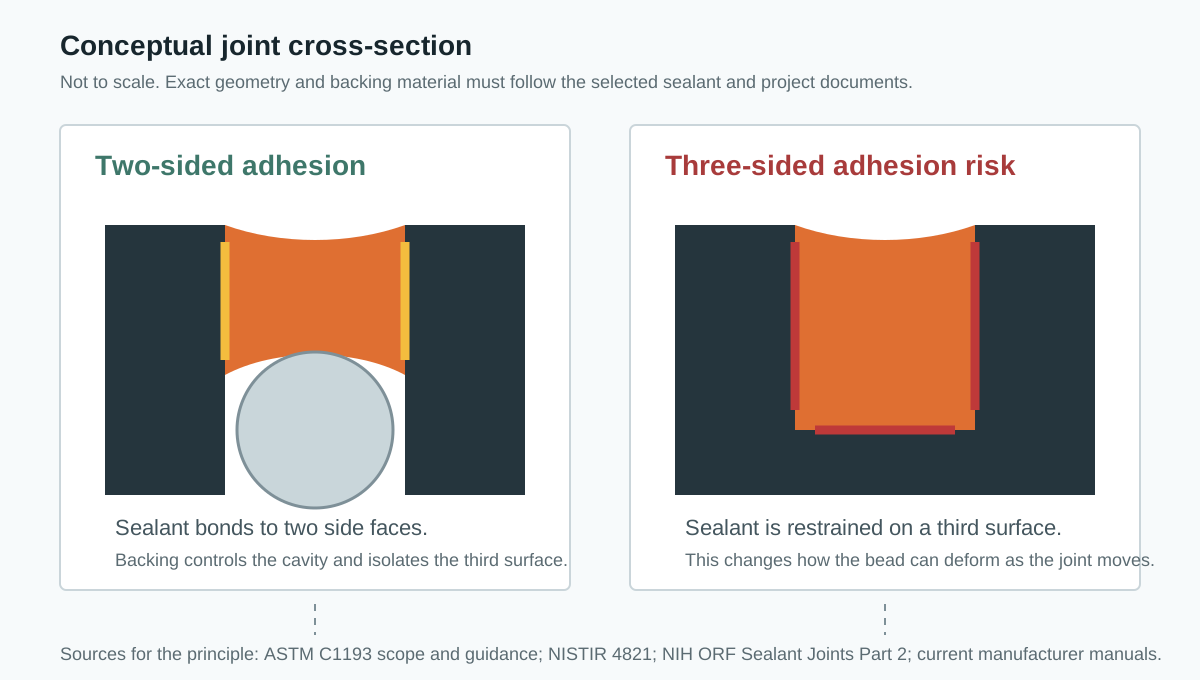
A moving joint should normally allow the sealant to bond to the two opposing faces. A compatible backer rod or bond-breaker detail can control sealant depth and isolate the third surface. Three-sided adhesion restrains the bead and changes how it can deform.

Exact geometry and backing must follow the selected product and curtain wall system documents. Do not treat a generic width-to-depth rule as universal curtain wall design.

When to Use Backer Rod in a Sealant Joint →
Conceptual comparison of two-sided and three-sided sealant adhesion
Conceptual joint cross-section. Not to scale.

Application Support

What We Check Before Recommending a Curtain Wall Sealant

Send us the joint details below. We will identify whether WR550 or SS-998 matches the joint role, where actual-material testing is needed and when the joint requires another qualified system.

What we need from you

  • Joint function
  • Substrate
  • Coating / finish
  • Joint width
  • Joint depth
  • Expected movement
  • Exterior exposure
  • Backing material
  • Gaskets / adjacent materials
  • Project specification
  • Destination market
  • Required documents
01

WR550 matches the published starting point

We will confirm the applicable product information and the project-specific joint details still needed.

02

Actual materials need testing

We will identify the glass, frame finish, gasket, backing or adjacent material to include in adhesion or compatibility testing.

03

The joint follows the structural route

Review SS-998 for properly designed structural glazing; use a separately qualified system for IG secondary seals or firestop joints.

Practical Selection Checks

Common Curtain Wall Sealant Selection Mistakes

Selecting only by substrate name

“Glass + aluminum” does not identify the surface finish, contamination or system function.

Confusing weatherseal and structural glazing

Identify whether the joint provides weather protection or transfers load before selecting a product.

Ignoring coatings and finishes

Powder-coated, PVDF-coated and anodized aluminum are not automatically the same adhesion condition.

Ignoring adjacent materials

Gaskets, backing materials and IG edge seals can affect compatibility.

Ignoring joint geometry

A suitable sealant can still perform poorly when depth, backing or adhesion faces are wrong.

Repairing before diagnosing failure

Do not cover a failed weatherseal until the failure source, drainage and substrate condition are understood.

Curtain Wall Sealant FAQ

Common curtain wall sealant questions

What sealant is used for curtain wall perimeter joints?

A non-structural curtain wall perimeter normally needs a weather-resistant sealant that can accommodate movement and bond to the actual glass, frame finish and adjacent materials. For compatible perimeter weatherseal joints, we recommend WR550 as the Vesta starting product. Confirm the system specification and joint design before ordering.

Is silicone suitable for curtain wall weathersealing?

Yes. A weather-resistant silicone is a practical choice for compatible non-structural curtain wall weatherseals because it can accommodate movement while resisting UV and rain. Match the product to the joint function, geometry and actual project materials.

What is the difference between curtain wall weatherseal and structural silicone?

A weatherseal joint keeps weather out and accommodates movement at an exterior perimeter or system joint. A structural glazing joint bonds or retains glazing and transfers structural load. WR550 is our starting product for compatible non-structural weatherseals; SS-998 is our starting product for properly designed glass-to-frame structural bonding.

Can WR550 be used between glass and aluminum?

WR550 is a strong starting product when the joint is a non-structural weatherseal and the material combination is compatible. Our current TDS includes conditioned-adhesion test results on float glass and anodized aluminum. Coated glass and powder-coated or PVDF aluminum need testing with the actual project finishes.

Do coated aluminum and coated glass need adhesion testing?

Yes. Coating type, supplier, color, batch, cure and surface treatment can change adhesion. Use the actual coated aluminum or coated glass from the project for adhesion and compatibility testing and confirm whether a primer is required.

Does a curtain wall sealant joint need backer rod?

A compatible backer rod or bond-breaker detail is commonly used where needed to control sealant depth and maintain two-sided adhesion. The final backing and joint geometry must follow the selected product guidance and curtain wall system details rather than a universal dimension rule.

Can curtain wall sealant be repaired?

Some failed perimeter weatherseals can be replaced after the failure source, joint function, substrate condition, drainage and compatible replacement system have been identified. Do not cover a failed joint before diagnosing why it failed.

Can new silicone be applied over existing curtain wall silicone?

Do not treat over-sealing as a complete repair. Existing silicone and residual film can prevent the new bead from contacting the intended bond faces. Remove bond-inhibiting material, inspect the substrates and rebuild the joint with a compatible system and suitable geometry.

Curtain Wall Product Documents

Open the TDS for the joint role you are reviewing.

Use the WR550 documents for compatible perimeter weatherseals and the SS-998 documents for the structural-bonding route. Tell us the actual joint, materials and destination market so the project file starts with the right product.

Before Quotation

Check Your Curtain Wall Joint Before Quotation

Share the joint type, substrates and finishes, width and depth, project specification, exposure, target market, color and quantity. We will identify whether WR550, SS-998 or another qualified system matches the role and tell you which documents or material tests should come next.