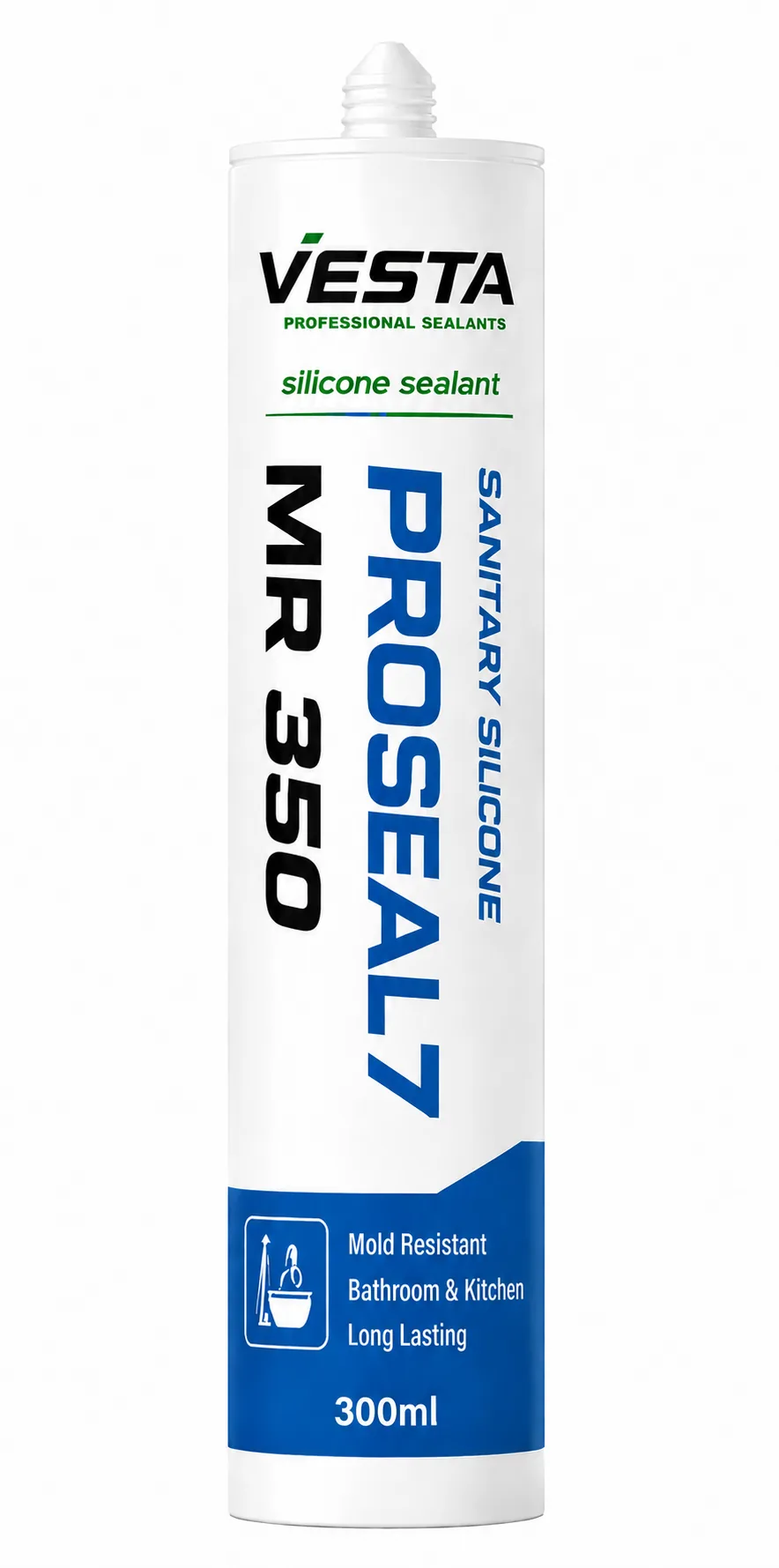
Primary recommendation
MR350 Sanitary Silicone
Primary choice for humid indoor joints around showers, tubs, basins, sinks, tile and glass where a mold-resistant sanitary seal is needed.

Sealant Application Guide
Kitchen and bathroom joints need a silicone sealant or caulk selected for water splash, cleaning products, humidity and changing surface temperatures. MR350 is the primary Vesta recommendation for sanitary wet-area joints, while EX230 can suit compatible glass, glazed tile and general-purpose non-porous details where sanitary mold resistance is not the main requirement.
Start with the product matched to the joint exposure, then confirm substrate compatibility and project requirements.
Primary recommendation
Primary choice for humid indoor joints around showers, tubs, basins, sinks, tile and glass where a mold-resistant sanitary seal is needed.
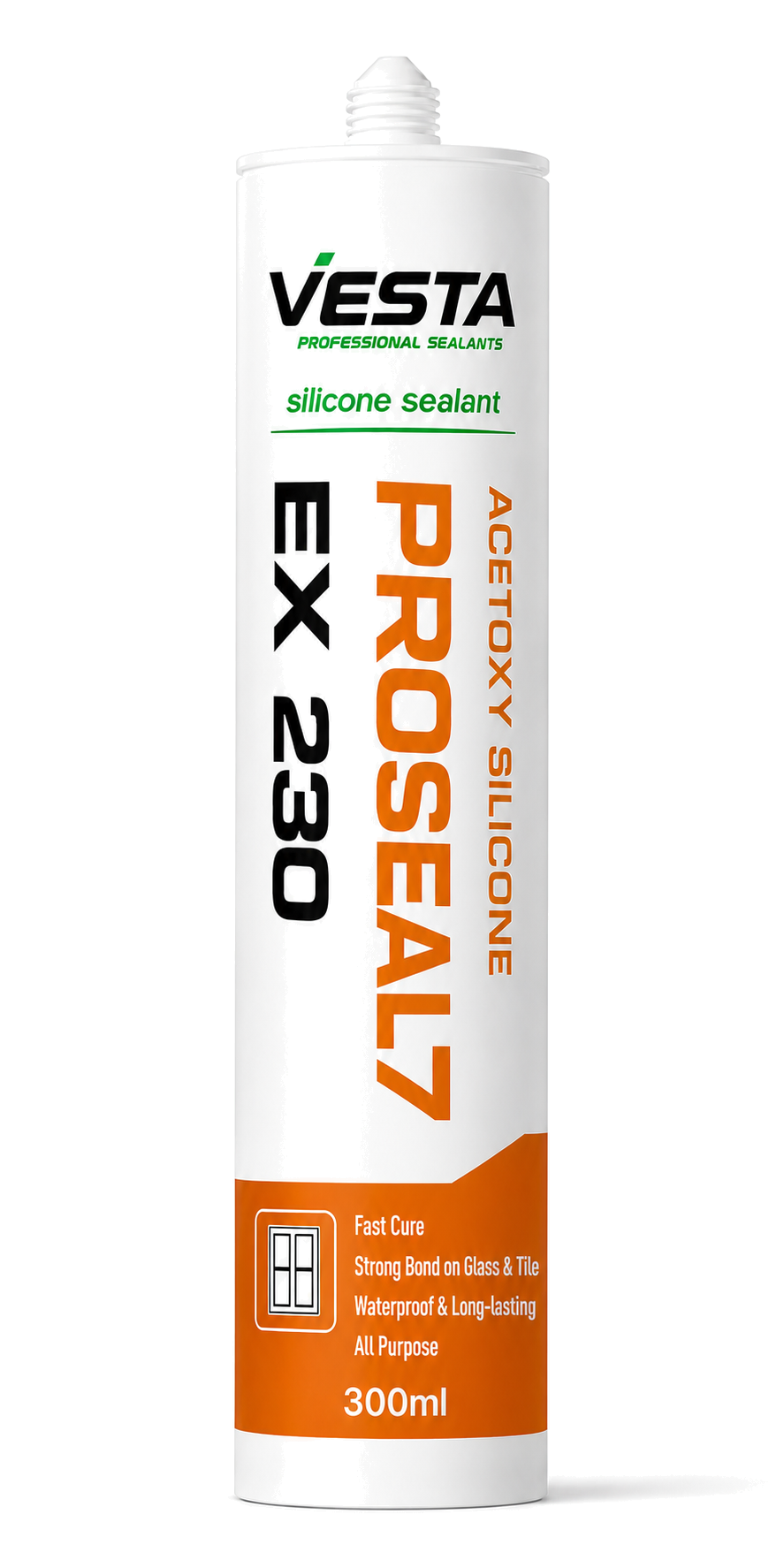
Alternative for specific conditions
General-purpose option for compatible glass, ceramic tile and glazed non-porous details where fast cure matters and sanitary mold resistance is not the selection driver.
Use the scene first to identify the joint, then check the substrate, exposure and movement below.
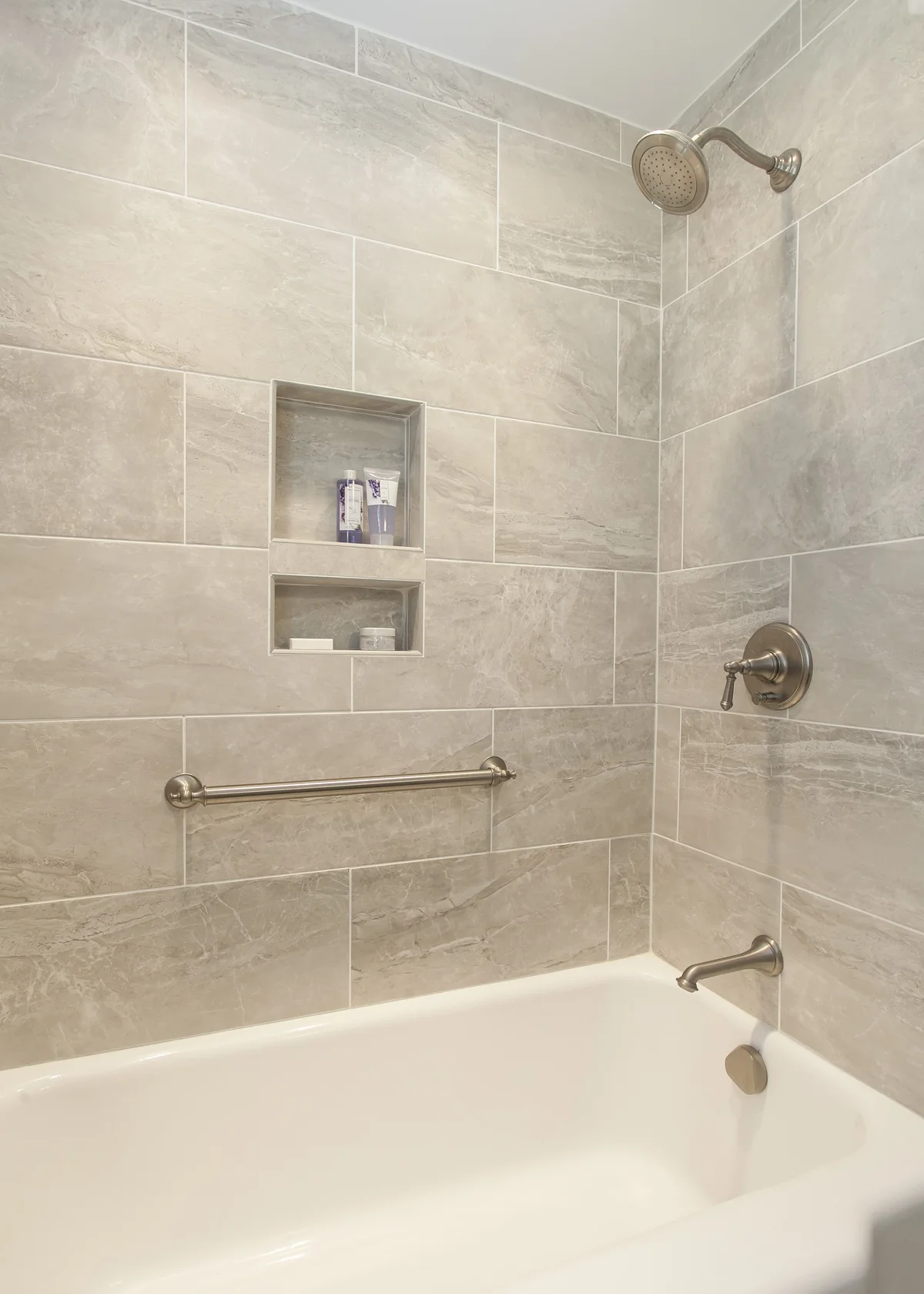
Wet-area perimeters and tile transitions exposed to humidity and routine splash.

Visible perimeter joints around sinks, worktops and compatible fixtures.

Glass partitions, shower screens and compatible glass-to-tile details.
Product selection guidance
Before Application
Common Questions
MR350 Sanitary Silicone is the primary recommendation for humid indoor joints around showers, tubs, tile, basins and glass. Final selection still depends on the substrate, joint design and service conditions.
No. EX230 is an acetoxy silicone intended for compatible glass, tile and glazed non-porous surfaces. Sensitive metals, mirrors, natural stone, concrete and alkaline substrates require a compatibility check or a different product.
Permanent immersion is not a standard published use for these products. Send the substrate, exposure and project requirements to Vesta for written compatibility guidance.
Continue Exploring
Technical Knowledge
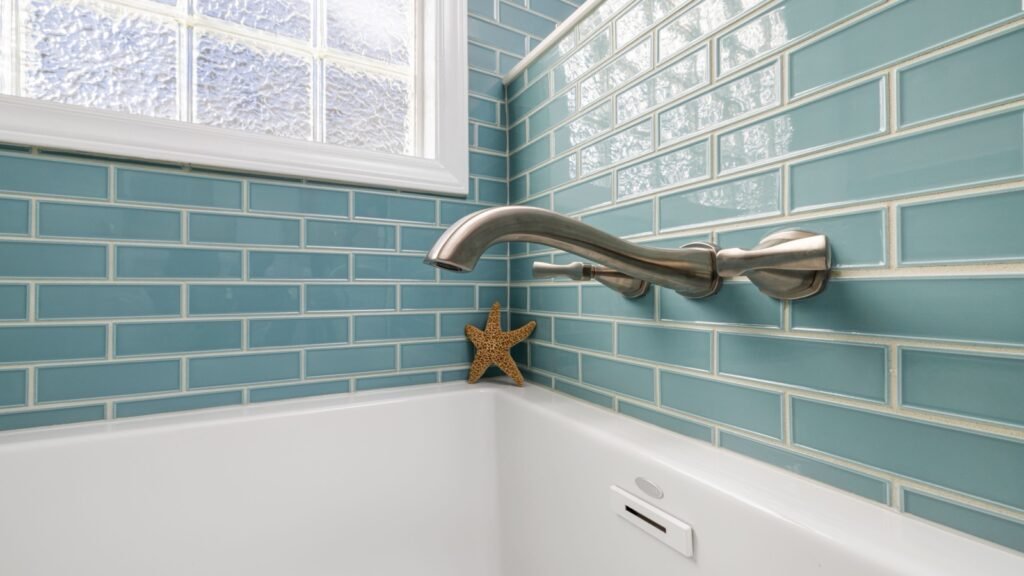
Silicone caulk has separate surface, through-cure and exposure milestones. Learn what changes cure time, how current Vesta model instructions differ, and what to check before...
Read Article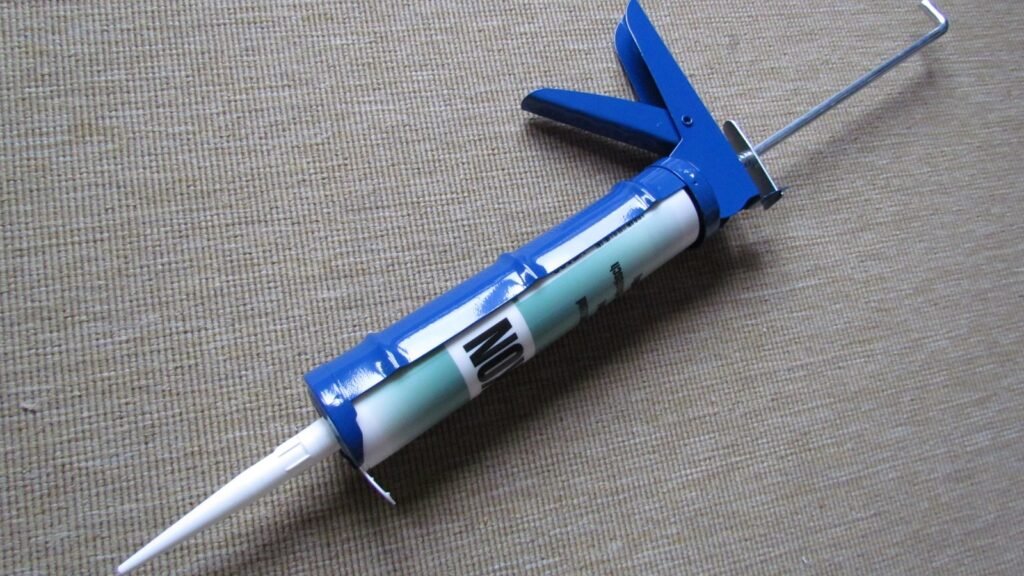
A 100% silicone label identifies a stated silicone formulation category, not a complete specification. Check the exact cure, class, use, substrate and approval fields.
Read Article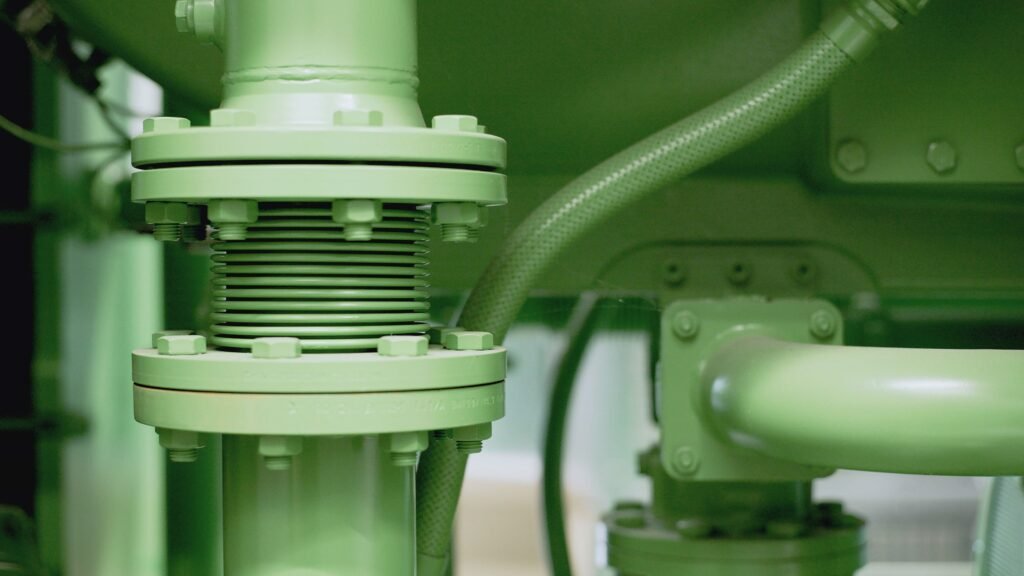
RTV often means a high-temperature gasket maker in automotive and maintenance work. See its common applications, how other RTV types differ and what buyers should...
Read ArticleA silicone label is not a waterproofing specification. Check the water exposure, substrates, cure, movement, joint geometry and surrounding drainage system before approving a sealant.

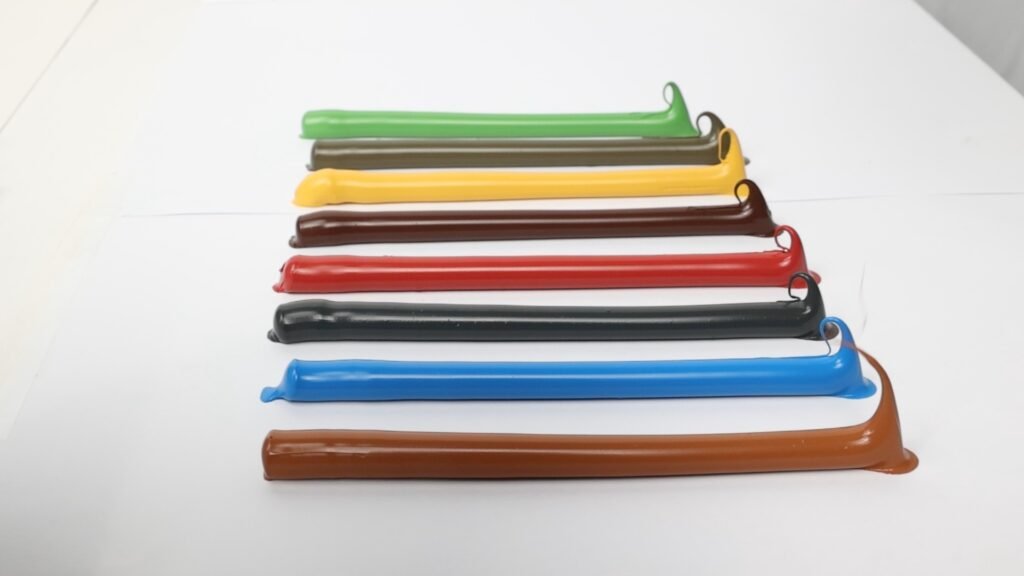
Choose the sealant before the color. Then approve a product-specific physical sample against the real finish, agreed viewing conditions and reorder record.
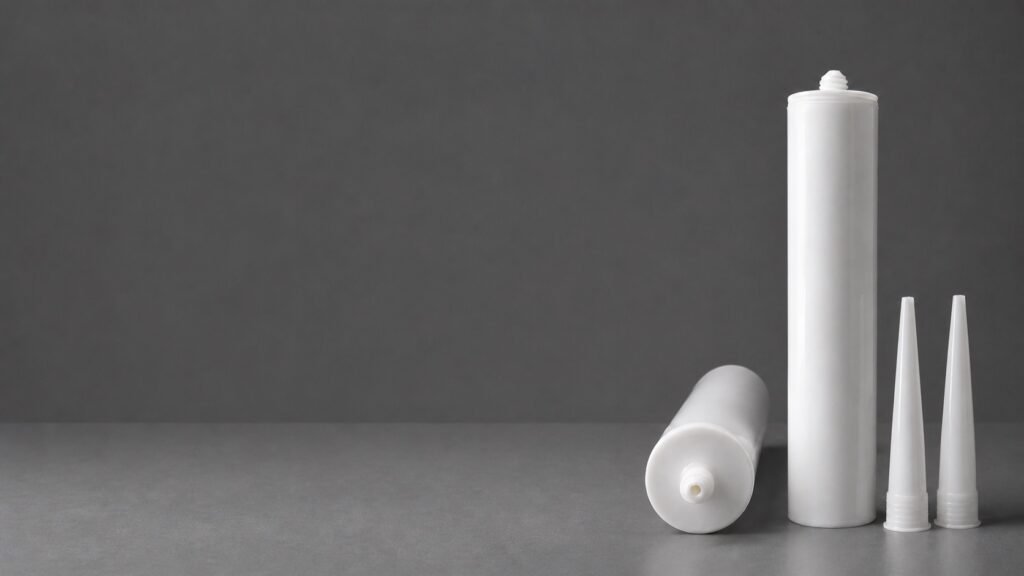
A practical buyer checklist for comparing private-label caulk manufacturers across product fit, performance, packaging, samples, documents and repeat-order control.
A diagnosis-first guide for deciding whether a failed curtain-wall joint needs local evaluation, a full reseal assessment, more evidence or a qualified specialist.

Share the substrate, joint size, exposure, target market, color and quantity. Vesta can review the closest current product and available documents.