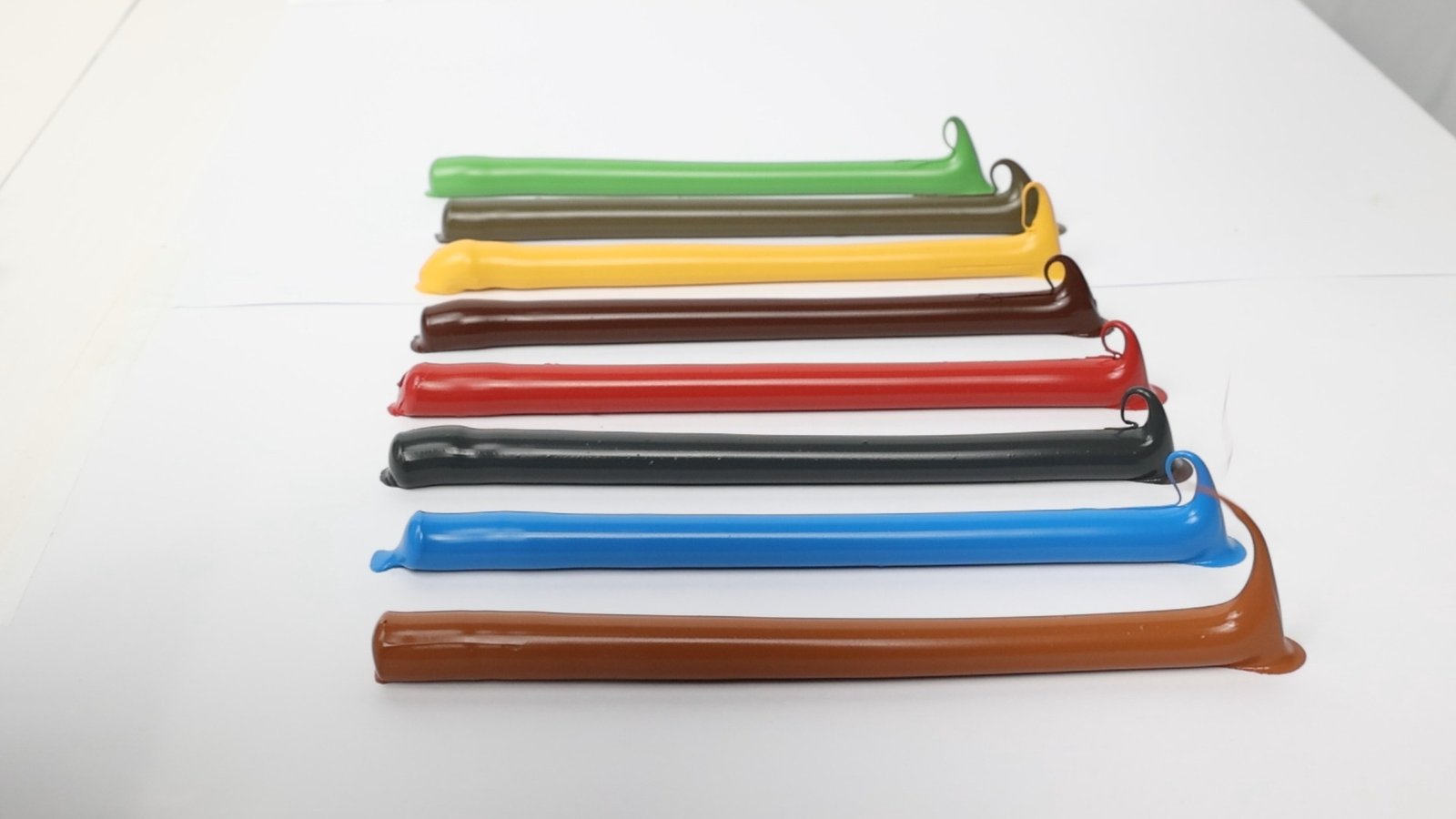
Colored silicone caulk should be selected in two decisions, not one. First choose a sealant that fits the joint, exposure and substrate. Then approve the color on a product-specific physical sample beside the actual finish under agreed viewing conditions.
A RAL code, Pantone reference, component sample or digital file can help describe the target. None of them proves that a particular silicone product is an exact match. For a repeatable B2B approval, the record should identify the product, sample, surface, viewing context, approver and reorder reference.

Start with the joint, not the color chart
The best-looking color is still the wrong purchase if the sealant does not fit the application. Begin with the joint’s exposure, substrate and service conditions. That first decision tells you what kind of sealant sample should be prepared for color review.
| Starting application decision | Typical joint context | What to confirm before choosing color |
|---|---|---|
| Exterior weathersealing | Window, door and building-envelope perimeter joints exposed to weather and movement. | Joint role, movement, exposure, substrate compatibility and current project requirements. |
| Interior sanitary or wet area | Bathrooms, kitchens and other sanitary joints exposed to cleaning and recurring moisture. | Service conditions, drainage, ventilation, substrate compatibility and the required sanitary performance. |
| Application not yet confirmed | The joint role, exposure or substrate is still unclear. | Define the joint and its service conditions before using a color chart to narrow the purchase. |
A pattern we keep seeing in buyer projects
In our experience, color becomes a commercial issue when the surrounding material already has a strong visual identity. Deep-grey aluminum is one recurring example. The dark-grey reference we have used before is RAL 7016 Anthracite Grey. Buyers usually want the sealant to sit with the frame instead of reading as a bright border, so we treat the code as the starting target and ask for a cured sample beside the actual aluminum finish.
On projects in the Middle East, beige or sand-toned aluminum is another common request. The sealant has to stay quiet against the profile and adjacent facade; a standard black bead can become the most visible line in the detail. We use the buyer’s beige reference to prepare a sample and keep the approval tied to the real finish.

Panels may be yellow, blue, red or another brand color, and a black joint can look out of place. For a red ACP fascia above a McDonald’s storefront, a red weatherseal can make the panel joint visually recede. The same logic applies to other branded or architectural panel colors: match the joint to the panel only after checking the actual cured bead on the actual panel.
Inside bathrooms, grey washbasins and vanity tops create the same request in a different setting. Buyers may choose light, medium or dark grey sanitary sealant so the joint blends into the basin or countertop. White can read as a separate stripe, even when the white sealant is technically usable. We have seen grey become the preferred visual choice when the sanitary joint is meant to look continuous with the fixture.
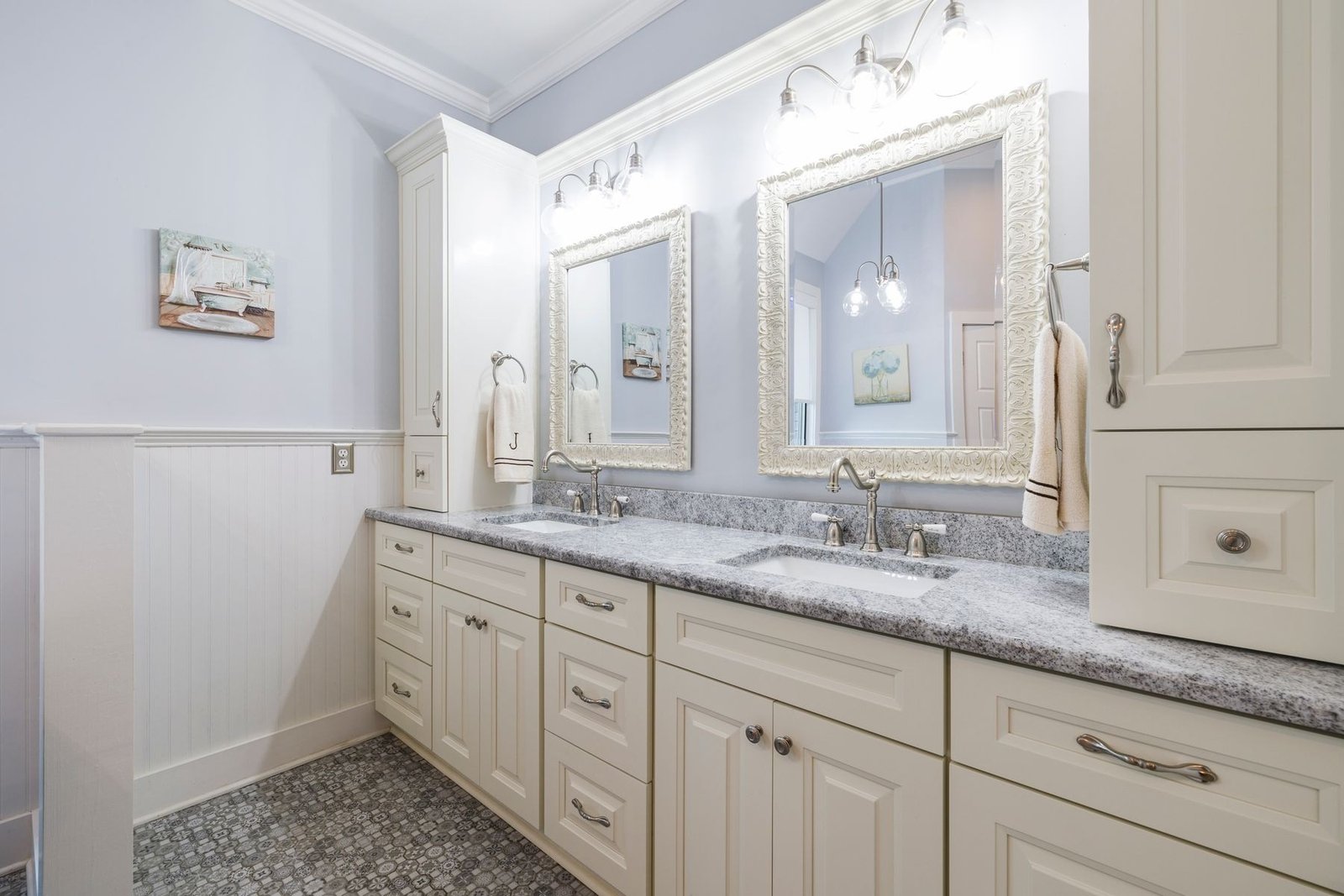
With a gray vanity or basin finish, compare the cured bead at the basin-to-top joint rather than approving a white or grey swatch from a screen.
Treat RAL and Pantone as request language, not approval
Color systems make remote communication more efficient. A facade buyer may send a RAL reference for a powder-coated frame. A private-label buyer may use a Pantone reference from brand artwork. A sanitary-products buyer may send a tile, grout or fixture sample.
The useful question is not “Do you have this code?” It is: “What evidence connects this target to the selected silicone product, and what physical sample will control approval?”
RAL’s own material guidance notes that color impression changes with material, surface and lighting, and distinguishes standardized color sheets from approximating samples in other materials. Pantone likewise advises using a current physical standard when work moves from digital reference to physical production.
Whether your request says colored silicone caulk or coloured silicone sealant, you still need to:
- Use the code to name the target.
- Record the selected product and application.
- Prepare a physical sample from that product.
- Compare it with the real adjacent finish.
- Accept the sample, not the screen preview or color name alone.
Treat a specific code as an exact match only when the factory color reference or approved physical sample connects that exact code to the selected sealant. A close screen preview or the same color name on another material is still only a starting reference.
Build a physical sample that can actually be approved
Before sign-off, both sides need to know exactly what the sample represents. A loose bead with no product name, condition or identifier may help a visual discussion, but it cannot support a repeat order.
Before you sign off, record these fields:
| Approval field | What to record | Why it changes the decision |
|---|---|---|
| Sealant and application | Selected sealant, joint application and exposure. | Prevents a color decision from being transferred to a different sealant or joint role. |
| Color target | RAL/Pantone reference, component code, customer sample, tile/grout/metal finish or other physical reference. | Separates the requested target from the supplier’s product-specific result. |
| Sample identity | Unique sample ID, product, production reference if available and preparation date. | Gives procurement and the supplier the same object to discuss later. |
| Sample condition | The agreed cured condition under the selected product’s current instructions; bead geometry if it affects appearance. | Avoids signing off on a fresh, unrepresentative surface. |
| Comparison surface | Actual or representative substrate, coating, texture, gloss and adjacent material. | A smooth silicone bead and a matte or textured finish can look different despite a similar color target. |
| Viewing conditions | Agreed daylight/interior light context and the viewing position used for approval. | Reduces disagreement caused by comparing the sample in different environments. |
| Decision | Approved, approved with a stated limit, rejected, or revise and resample. | Makes the next commercial step unambiguous. |
| Approver and date | Named buyer/project approver and approval date. | Prevents an informal comment from becoming an undocumented project decision. |
The sample should reach the condition specified for the selected product and project plan before color is judged. There is no universal number of hours or days: product, geometry, temperature, humidity and the agreed comparison method can change that point.
Compare the sample in the real visual context
A color approval can fail even when the requested code was communicated correctly. The remaining variables are often physical rather than linguistic.
Decide which adjacent finish the joint should follow
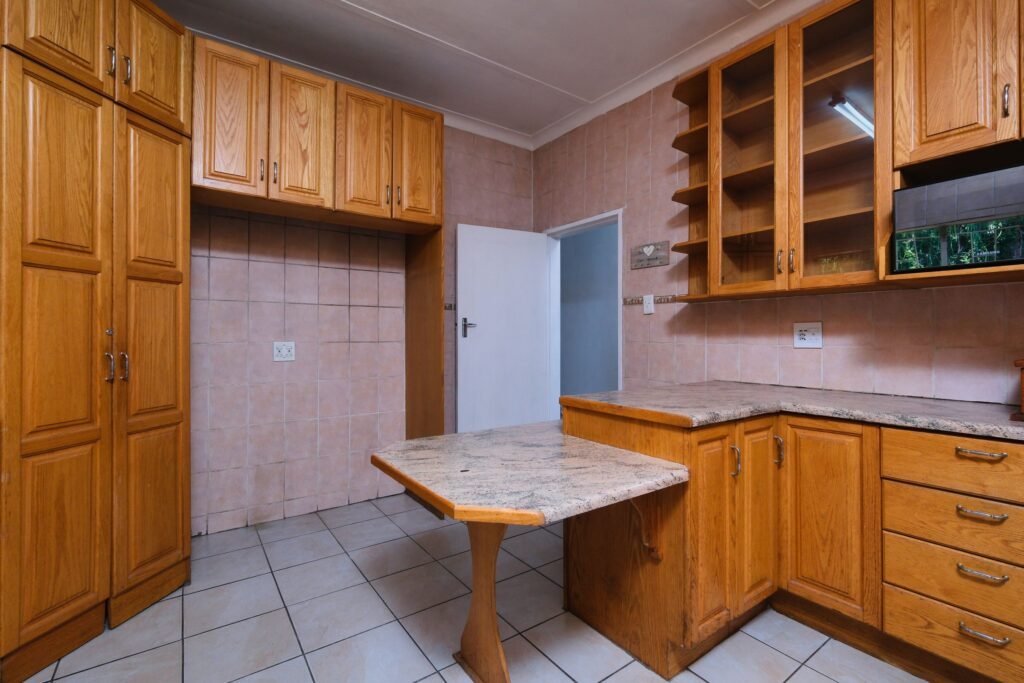
At a window perimeter, should the bead continue the powder-coated frame, the brick, the render or the interior wall? At a bathroom transition, should it follow the tile, grout, fixture or glass edge? Record the finish that matters for each joint. “Match the room” is not precise enough.
Where several finishes meet, one color may not disappear against all of them. Procurement should decide which view matters most, whether two color zones are acceptable and where a transition belongs.
Compare gloss, texture and bead geometry
The same nominal color can appear different on a glossy elastomer, matte grout, textured powder coating, anodized metal or porous stone. Surface texture changes highlight and shadow. Bead width, depth and tooling change how much light the joint returns to the viewer.
This is why a flat digital swatch cannot settle the appearance of a three-dimensional sealant bead. Use a representative bead geometry, then compare it beside the real finish.
Agree on the light that matters
A sample viewed under an office lamp may not look the same at an exterior window in daylight or beside warm interior lighting. You do not need to turn every decision into a laboratory exercise. You do need to state where the finished joint will be judged and compare the sample in a relevant light.
If the project has a formal color-control specification, follow its method, instrument, tolerance and responsible approver. Do not invent a Delta E limit or named light source after the fact.
Record the decision before ordering—and before reordering
The first approval controls the initial purchase. The retained record protects the next purchase.
| Control point | Minimum buyer record | Reorder question it answers |
|---|---|---|
| Approved master | Product, sample ID, target reference, substrate/finish, viewing context, approver and date. | Which physical result was accepted? |
| Order and repeat order | Product, color/sample reference, package, quantity, destination market, prior order/sample and current availability. | Is the new purchase tied to the same accepted decision? |
| Incoming batch check | Batch/lot reference if supplied, comparison result and disposition. | Was the received material accepted against the approved reference? |
| Change control | New substrate/finish, product, package, supplier input or market requirement. | Does this change require a new sample? |
Ask the supplier which fields it can provide and how long it will retain samples. Put the agreed retention period, comparison method and responsibility into the commercial or project record.
For distributors, this prevents a casual color request from turning into a stock-color commitment that cannot be repeated consistently. For private-label buyers, it keeps artwork color, cartridge color, printed color and cured sealant color from being treated as one decision. Packaging and cooperation details belong with the OEM and private-label process; this guide focuses on cured sealant color.
Vesta color options after the application is clear
Once the joint and service conditions are clear, we can help you narrow the color choice and prepare the right physical sample for approval.
WR550 for weathersealing
We offer WR550 Weather-Resistant Silicone in 140 stock colors for compatible non-structural weathersealing joints, including relevant window, door and building-envelope perimeters. The range gives distributors and project buyers a broad starting point for coordinating sealant with frames, panels, render, masonry and other adjacent finishes. See our Windows & Doors application guide for more application context.
Send us the joint detail, substrates, adjacent finish and color target so we can consider the application and sample together.
MR350 for sanitary and wet-area joints
We offer MR350 Sanitary Silicone in 35 stock colors for compatible interior sanitary and wet-area joints where mold resistance and a clean finished appearance are important. The range helps you coordinate sealant with tile, grout, fixtures, glass and other bathroom or kitchen finishes. See our Kitchen & Bath application guide for more wet-area context.
For either range, send us the color target, actual adjacent finish, application, substrate, package and destination. We will confirm current availability and identify the physical sample needed for your decision.
Keep the decision useful to each buyer
| Buyer group | Keep the decision focused on | Record to hand off |
|---|---|---|
| Distributors and private-label buyers | Which product library, package and market are involved, and whether cured sealant and packaging/artwork need separate approvals. | Model-specific color list, approved sample, SKU/reorder reference and any separate packaging approval. |
| Facade, window and decorative-material buyers | Which adjacent finish the joint should continue at each visible transition. | Product/application choice, representative bead beside the actual finish, viewing context and named approver. |
| Project procurement teams | Who owns technical suitability, visual acceptance and change control. | Sample register, acceptance status, order/batch links and the resubmission trigger. |
Colored silicone caulk approval checklist
Before issuing the order, confirm that the record answers six questions:
- What joint and exposure is this product being selected for?
- Which product is under review?
- What code or physical reference defines the target, and which adjacent finish should the joint continue?
- Which product-specific cured sample was compared on what surface and under what viewing conditions?
- Who approved it, and was the result accepted, limited or rejected?
- Which sample, order, batch and change-control references will control a repeat purchase?
If any answer is missing, you have a color discussion—not yet a controlled approval.
Frequently asked questions
Can a RAL or Pantone code guarantee an exact colored silicone match?
No. Use the code to define the target, then accept the physical sample that connects that target to the selected silicone. Compare it with the actual adjacent finish rather than relying on a screen image, photograph or color name alone.
Should the silicone match the frame, wall, tile or grout?
Choose the adjacent finish that matters for each joint. At a color transition, decide which surface the bead should continue and approve the sample beside that finish. One blanket room color may not work for every joint.
Does color match silicone caulk always look identical to grout or paint?
No. Different materials can have different gloss, texture and light response even when they share a color name. Compare the physical materials together before approval.
What should a buyer send Vesta for a color review?
Send the application, exposure, substrates, adjacent finish, color code or physical reference, package and destination market. If you have a previous approved sample or order reference, include that as well so the new request can be compared with the right record.
How this guide was prepared
We prepared this guide from current Vesta product documentation and official RAL/Pantone guidance, with the sample, surface and reorder information buyers need to make a repeatable color decision.