
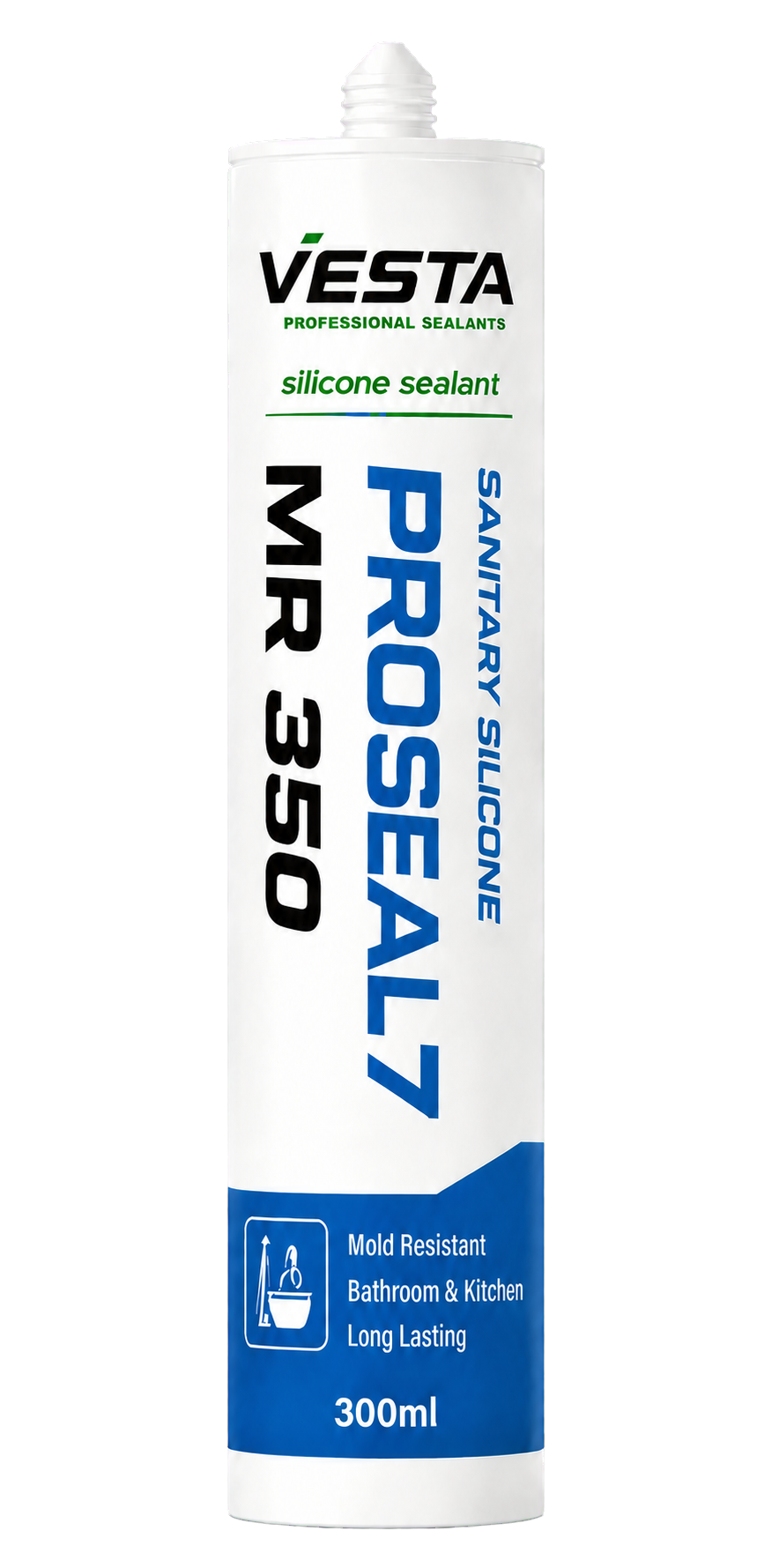
MR350 Mold-Resistant Sanitary Silicone Sealant
Alkoxy-cure sanitary silicone
Cleaner-looking joints for interior wet areas.
One-component alkoxy-cure sanitary silicone for compatible bathroom, kitchen, tile, glass, basin and fixture perimeters. Grade 0 mold resistance supports cleaner-looking joints in humid interiors exposed to routine splash and cleaning.
Package: 300 mL cartridge · Cure system: Alkoxy / dealcoholized

Cure systemOne-component alkoxy
Mold resistanceGrade 0
Typical cure rate2–3 mm / 24 h
Packaging300 mL cartridge
Product overview
Sanitary sealing for humid interior joints.
MR350 is a one-component, moisture-curing alkoxy silicone supplied as a non-sag paste. It cures from the exposed surface inward to form an elastic sanitary seal for properly prepared, compatible wet-area joints.
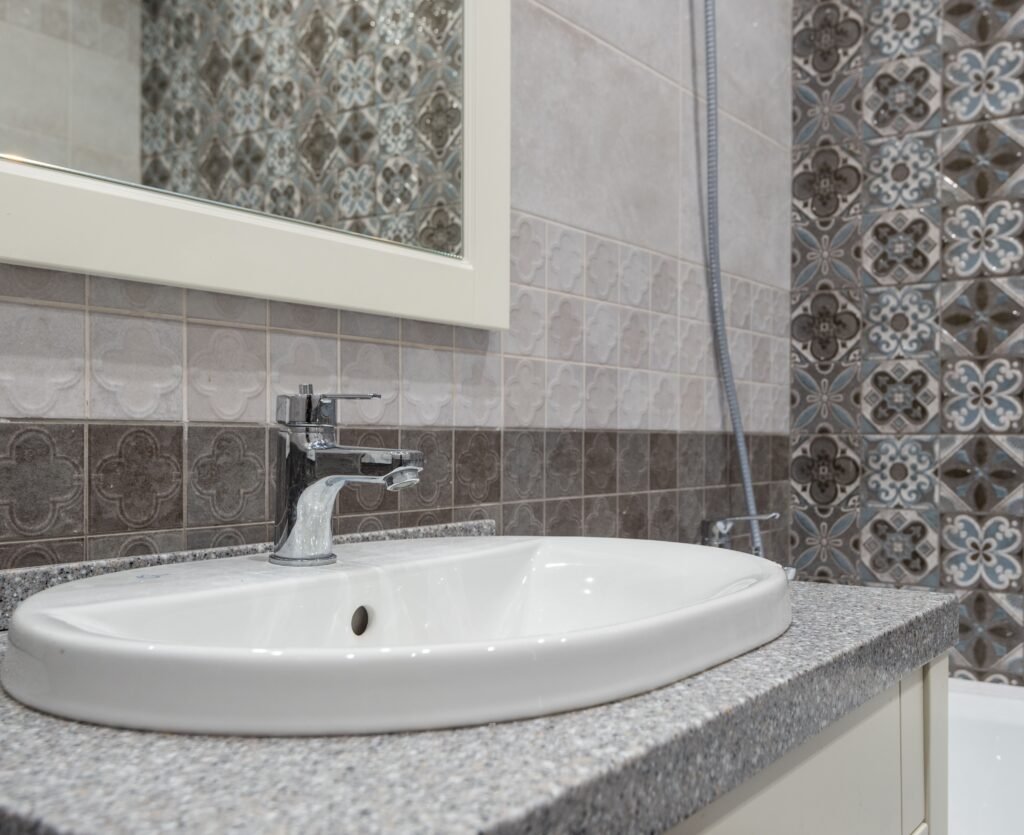
- Shower, tub, basin and vanity perimeters
- Tile-to-tile, tile-to-glass and interior corner joints
- Kitchen sink, countertop and splash-zone perimeters
- Interior glass, porcelain and compatible fixture details
Where MR350 Fits
Substrate planning
Typical application surfaces include ceramic tile, porcelain, interior glass, basin and tub surfaces, countertops and selected metal finishes. Use only on clean, dry and sound surfaces. Test coated or treated glass, plastics, metals, porous finishes and unfamiliar materials using the actual project substrates.
Review the complete MR350 substrate guidance in the TDS
Technical data
Core data for product screening.
These selected values support initial comparison and application planning. Use the current TDS and actual-substrate testing before project approval.
| Property | Value | Basis / condition |
|---|---|---|
| Classification | I SR 20HM | JC/T 885-2016 |
| Mold resistance | Grade 0 | JC/T 885-2016, Clause 6.17 |
| Density | 1.02 g/cm³ | GB/T 13477.2-2018 |
| Tack-free time | Approx. 30 min | GB/T 13477.5-2002, Method A |
| Cure rate | Approx. 2–3 mm / 24 h | Typical at +23°C / 50% RH |
| Vertical slump | 0 mm | GB/T 13477.6-2002 |
| Horizontal slump | No deformation | GB/T 13477.6-2002 |
| Elastic recovery | 86% | GB/T 13477.17-2017 |
| Shore A hardness | Approx. 24 | Typical cured-product value |
| Tensile modulus at +23°C | 0.5 MPa | JC/T 885-2016, Clause 6.9 |
| Tensile strength | 1.5 MPa | GB/T 528-2009 |
| Elongation at break | 302% | GB/T 528-2009; not movement capability |
| Mass loss | 4.5% | GB/T 13477.19-2017 |
| Application temperature | +5°C to +40°C | Ambient and substrate temperature |
| Service temperature | −40°C to +150°C | Typical range after cure |
Values are typical unless a test method or classification is stated. Cure and application behavior vary with temperature, humidity, bead dimensions and air or moisture access.
Product chemistry / specialist performance
How MR350 cures and supports mold-resistant sanitary joints.
Use the cure path and the mold-resistance result together when screening MR350 for kitchens, bathrooms and other interior wet areas.
01
Alkoxy moisture-cure principle
MR350 is a one-component, dealcoholized moisture-cure silicone. Atmospheric moisture reaches the exposed bead surface first, then the cure front progresses inward.
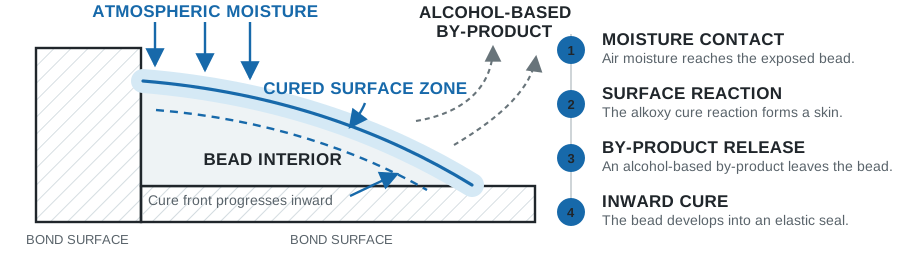
Working conditions
Approx. 2–3 mm/24 h at +23°C and 50% RH. Temperature, humidity, bead dimensions and air or moisture access affect the cure path.
02
Mold-resistance principle
Grade 0 is a tested mold-resistance result for the cured sealant surface. It supports cleaner-looking sanitary joints when routine cleaning and ventilation are maintained.
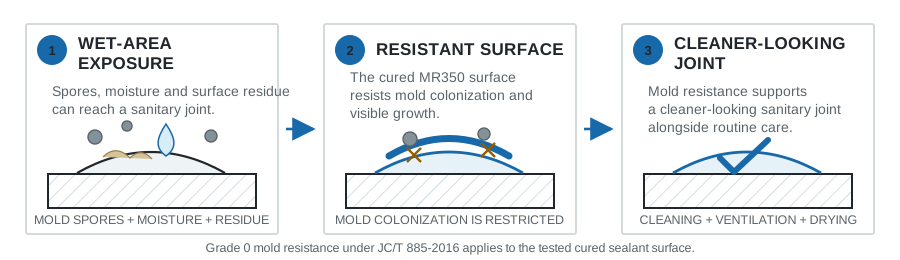
Report basis
No fungal growth was observed under 50× magnification in the tested sample. The result does not claim antibacterial, sterilizing or universal wet-area performance.
Joint design / application control
Plan the bead around the joint, not only the room.
Indoor sanitary joints still need a controlled bead depth and clean two-sided bond. Use the following MR350 working guidance for early project screening.
- 10–20 mm joint width
- Plan a minimum sealant depth of 10 mm.
- Depth control
- Use a compatible closed-cell polyethylene backing rod or backing tape where required.
- Larger joints
- Confirm the geometry and movement requirement with Vesta before specification.
- Moisture access
- Keep the exposed bead open to atmospheric moisture; do not use one-component silicone in a totally confined space.
Quantity & shipping planner
Plan the MR350 quantity you need.
Start with cartons for a wholesale order, or enter project dimensions to estimate cartridges and sanitary-joint coverage.
Calculation basis
Carton packing uses 24 cartridges per carton, 9 kg per carton and the listed outer-carton, pallet and load references. Coverage uses the editable 5 × 5 mm starting assumption and selected waste allowance; actual yield varies with bead geometry, tooling and job conditions.
A practical five-step application summary.
- Confirm the joint.Check the intended sanitary joint, substrates, adjacent materials and required finish before work starts.
- Prepare clean surfaces.Remove old sealant, soap, grease, dust, condensation and cleaner residue. Keep the bond faces clean, dry and sound.
- Mask and prepare the cartridge.Mask visible edges where needed, open the cartridge and cut the nozzle to suit the required bead size.
- Apply and tool continuously.Fill the joint with controlled pressure, maintain contact with both bond surfaces and tool before skin formation.
- Remove masking and protect.Remove tape immediately after tooling, then keep the fresh bead dry and free from contamination or movement while it cures.
Common application and maintenance mistakes
Protect the joint before mold becomes the visible problem.
Most avoidable failures begin with the bond surface, bead geometry or maintenance routine—not with the product label alone.
Remove old sealant and residual film so the new bead can contact the intended bond faces.
Remove soap, grease, dust, condensation and cleaner residue before application.
Test the actual coating, plastic, metal, porous finish or unfamiliar fixture before full application.
A surface that no longer transfers material does not establish full cure or return-to-service timing.
Joint width, depth and moisture access affect the cure path and should be checked before tooling.
Grade 0 supports mold-resistant performance, while routine cleaning and ventilation help maintain a cleaner-looking sanitary joint over time.
For distributors and brands
Build MR350 into a sanitary silicone range.
Share the required color, 300 mL cartridge quantity, destination market and artwork needs so the technical and commercial scope can be reviewed together.
Product FAQ
Common MR350 selection questions
What cure system does MR350 use?
MR350 is a one-component alkoxy, or dealcoholized, moisture-cure silicone. Cure begins at the exposed surface and progresses inward as atmospheric moisture becomes available.
What does Grade 0 mold resistance mean?
MR350 achieved Grade 0 mold resistance under JC/T 885-2016. No fungal growth was observed under 50× magnification in the tested sample. Routine cleaning and ventilation remain part of sanitary-joint maintenance.
What joint width should be used with MR350?
For joints wider than 10 mm and narrower than 20 mm, plan a minimum sealant depth of 10 mm. Use compatible closed-cell polyethylene backing rod or tape when depth control is required, and review larger or unusual joints before specification.
Which MR350 colors are available?
MR350 typically supports four colors: Clear, White, Black and Grey. Custom colors can also be evaluated for project or private-label requirements.
Can MR350 be used on every bathroom or kitchen surface?
MR350 is positioned for compatible interior sanitary joints. Ceramic tile, porcelain, interior glass, basin and tub surfaces, countertops and selected metal finishes still require actual-surface compatibility and adhesion checks where the finish or material is unfamiliar.
How should Grade 0 mold resistance be maintained over time?
Grade 0 gives MR350 a strong tested starting point for sanitary-joint cleanliness: no fungal growth was observed under 50× magnification in the tested sample. As with other mold-resistant sanitary sealants, the protective effect can gradually lose effectiveness as the joint ages and is exposed to service conditions. Regular cleaning, drying and ventilation help remove soap residue and moisture so MR350 can maintain a cleaner-looking sanitary joint over time.
Technical documents
Review the documents behind MR350.
View or download the current MR350 Technical Data Sheet, request the applicable market-specific Safety Data Sheet, or ask us to verify product compatibility, packaging and sample requirements.
Technical Knowledge
Related insights

Does Silicone Sealant Need a Primer? How to Decide
Most routine silicone-sealant applications do not need primer when the product covers clean, sound and compatible surfaces. Learn what primer does, where it is normally...
Read Article
Does Silicone Caulk Expire? Shelf Life, Storage, and Batch Checks for Buyers
Unused silicone caulk can expire. Learn how to check product-specific shelf life, calculate remaining life, inspect a batch at receipt, and control opened or short-dated...
Read Article
Is Silicone Sealant Waterproof? What Buyers Must Check Beyond the Label
A silicone label is not a waterproofing specification. Check the water exposure, substrates, cure, movement, joint geometry and surrounding drainage system before approving a sealant.
Read ArticleSilicone Sealant vs Caulk: How Buyers Turn Labels Into Specifications
Caulk and sealant are not quality grades. Translate the local label into chemistry, joint role, substrates, exposure, paintability and document checks before approving a quote or sample.

High Modulus vs Low Modulus Silicone Sealant: What Construction Buyers Need to Check
Start with lower-modulus candidates for high-movement or stress-sensitive joints, higher-modulus candidates for lower-movement rigid compatible joints, and compare both when no system requirement selects the response.
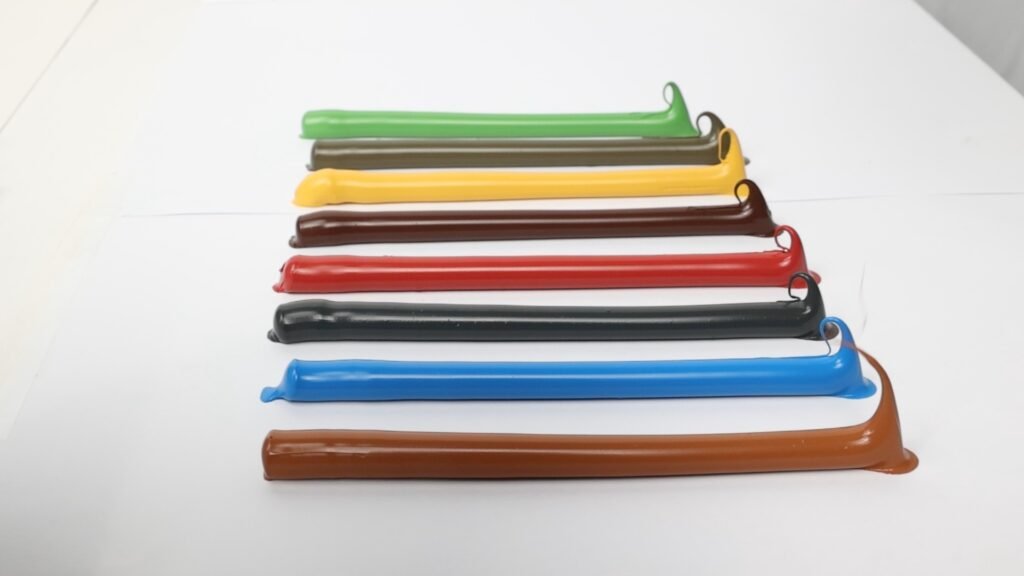
Colored Silicone Caulk: How B2B Buyers Approve Color
Choose the sealant before the color. Then approve a product-specific physical sample against the real finish, agreed viewing conditions and reorder record.
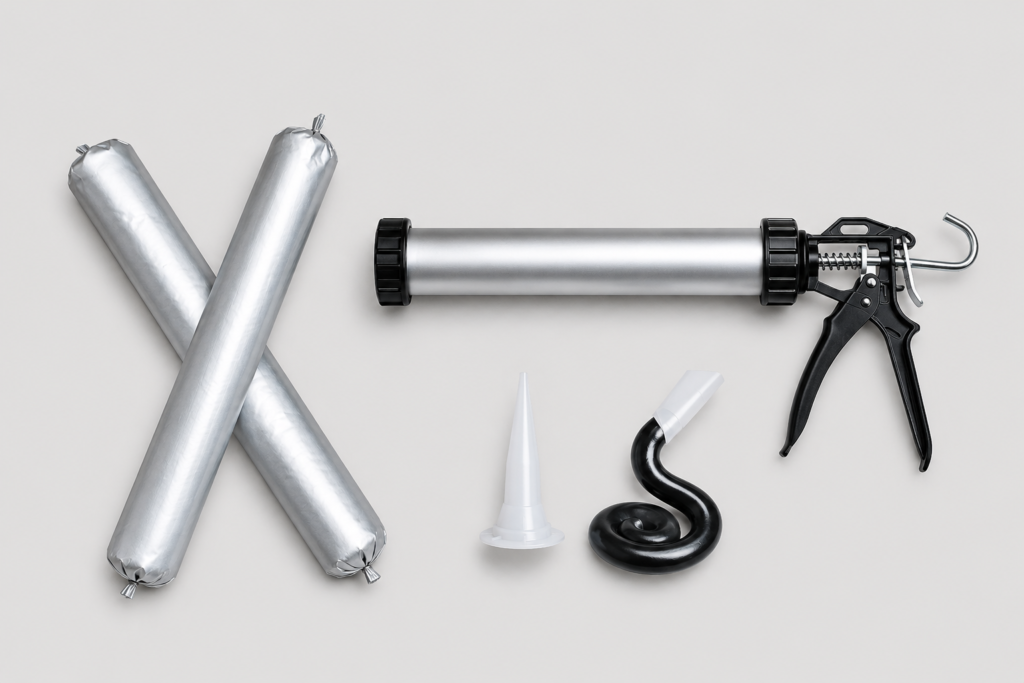
Cartridge or Sausage Sealant? How Distributors Should Choose a Pack Format
A practical pack-format guide for sealant distributors: compare cartridge and foil sausage options by customer workload, dispensing equipment, order pattern, stock and receiving checks.
Ready to check if MR350 fits your project?
Share your substrate, joint size, exposure conditions, color, quantity and destination market. Our team will help confirm whether MR350 is the right fit for your application before quotation. MR350 is available for distributor and wholesale enquiries from Vesta, a China-based silicone sealant manufacturer.
Include in Your Inquiry
1. Substrate and joint size
2. Indoor or outdoor exposure
3. Color and package requirements
4. Quantity and destination market