Can Silicone Sealant Be Used as an Adhesive?
Silicone sealant can bond panels and components when flexibility, compatible surfaces and supported curing fit the job. See suitable uses, stop conditions and Vesta product directions.


Vesta Insights
Explore practical guides, technical knowledge, application ideas, and industry updates.
All Insights
Continue through application guidance, product comparisons, troubleshooting and buyer-focused articles in publication order.
Silicone sealant can bond panels and components when flexibility, compatible surfaces and supported curing fit the job. See suitable uses, stop conditions and Vesta product directions.
Aluminum is not one bond surface. Identify the finish, joint role, adjoining material and evidence needed before requesting a silicone candidate.

A silicone label is not a waterproofing specification. Check the water exposure, substrates, cure, movement, joint geometry and surrounding drainage system before approving a sealant.

Learn why projects specify ASTM C920, when a weather seal still needs strict evidence without it, and how GB/T results support non-structural applications.

Caulk and sealant are not quality grades. Translate the local label into chemistry, joint role, substrates, exposure, paintability and document checks before approving a quote or sample.

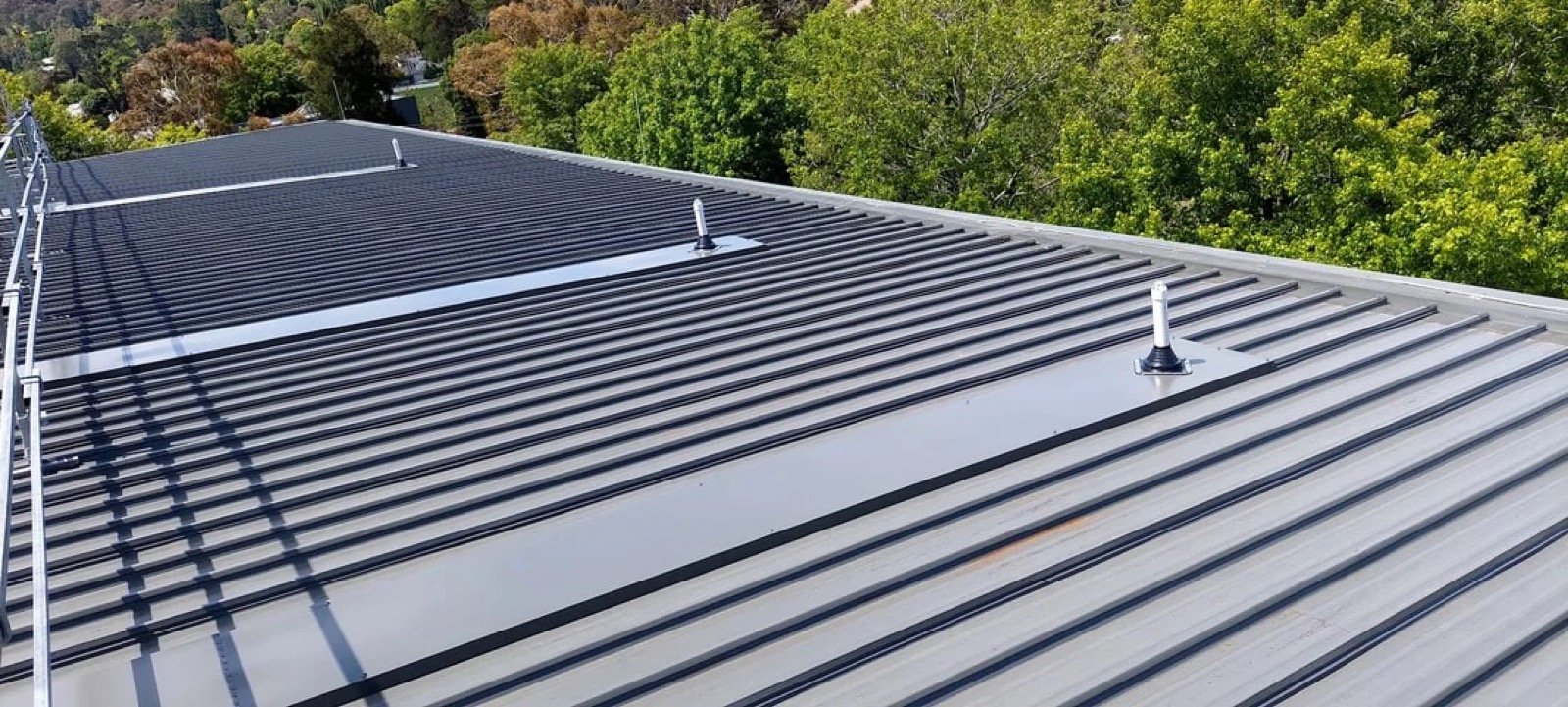
Choose a metal-roof or gutter sealant by identifying the joint, separating system seals from exposed weatherseals, then checking chemistry, coating, exposure, TDS evidence, sample and project approval.
Start with lower-modulus candidates for high-movement or stress-sensitive joints, higher-modulus candidates for lower-movement rigid compatible joints, and compare both when no system requirement selects the response.

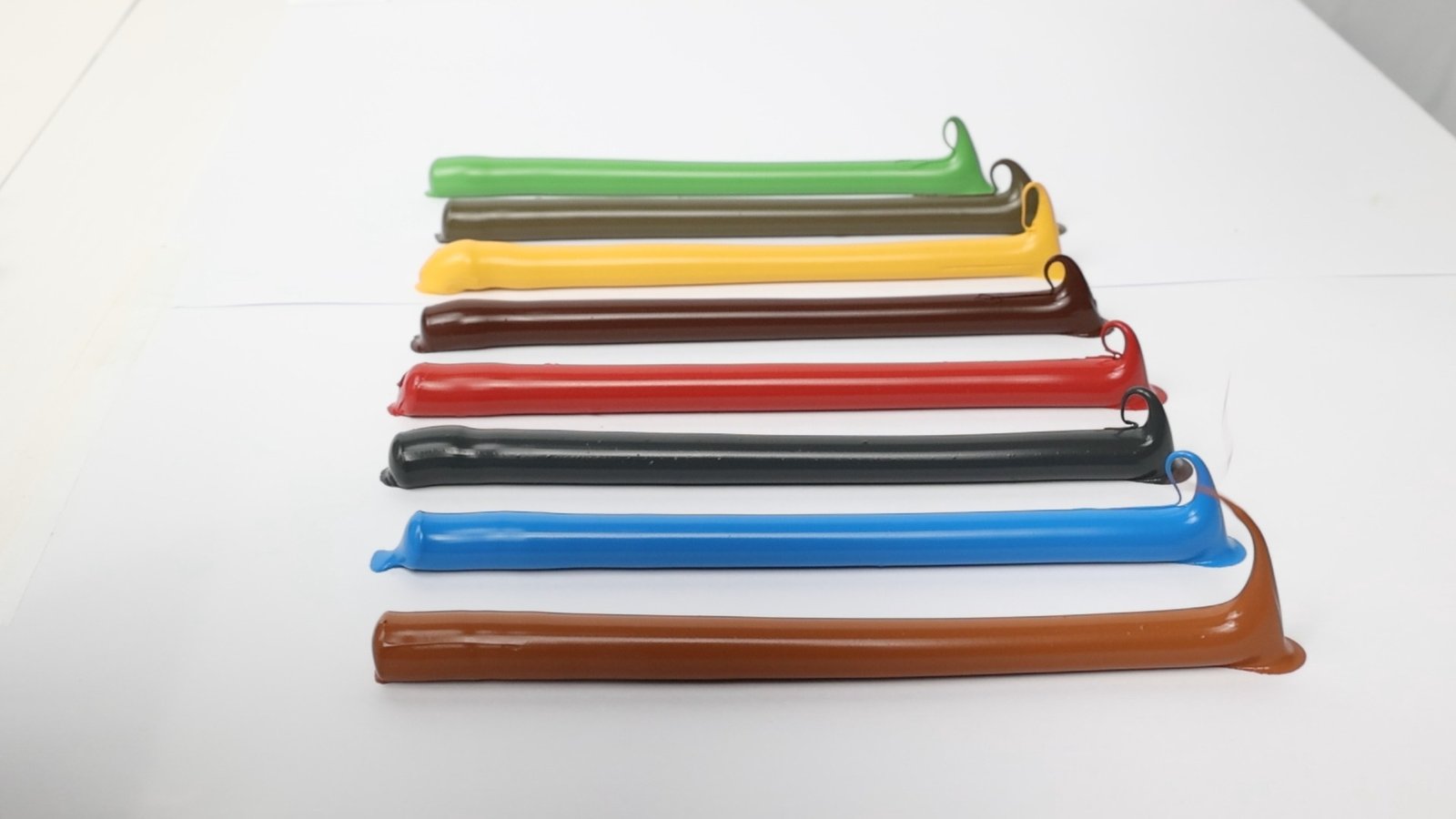
Choose the sealant before the color. Then approve a product-specific physical sample against the real finish, agreed viewing conditions and reorder record.
Component count changes the structural-glazing process—not the mechanical-quality ranking. Compare cure path, joint design, mixing control, QC and release before choosing one-part or two-part.

A diagnosis-first guide for deciding whether a failed curtain-wall joint needs local evaluation, a full reseal assessment, more evidence or a qualified specialist.