Polyurethane Sealant vs Silicone for Construction Joints
A construction-focused comparison of polyurethane and silicone, including how composition and cure affect paintability, weathering, adhesion, movement and field handling.


Vesta Insights
Explore practical guides, technical knowledge, application ideas, and industry updates.
All Insights
Continue through application guidance, product comparisons, troubleshooting and buyer-focused articles in publication order.
A construction-focused comparison of polyurethane and silicone, including how composition and cure affect paintability, weathering, adhesion, movement and field handling.
A field-by-field buyer guide for deciding whether an exact general-purpose silicone proposal can enter evaluation for a non-structural curtain-wall perimeter weatherseal.

A practical pack-format guide for sealant distributors: compare cartridge and foil sausage options by customer workload, dispensing equipment, order pattern, stock and receiving checks.
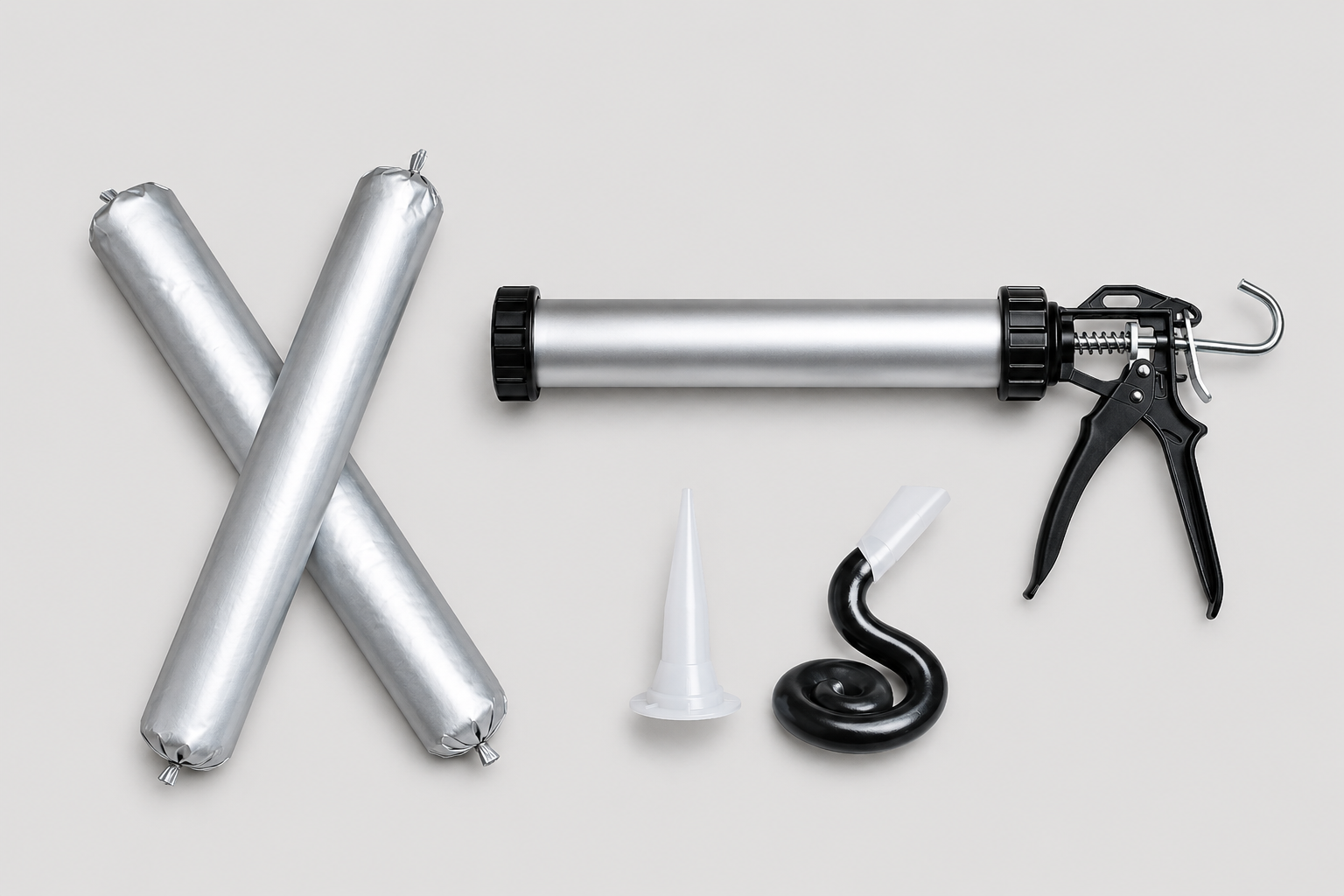
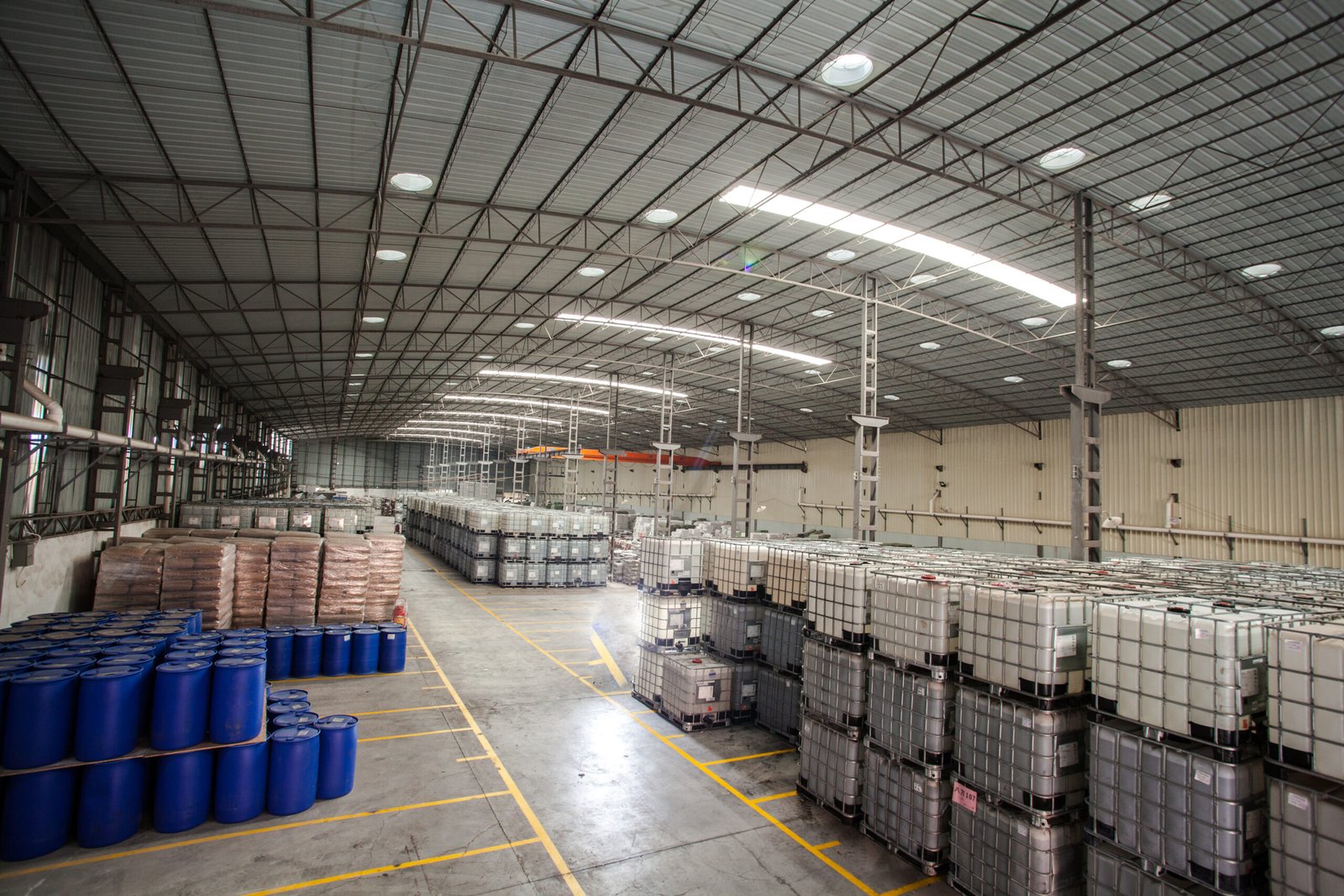
A practical buyer guide to importing silicone sealant from China, from product definition and sample approval through document control, shipment handoff, customs coordination and warehouse receipt.
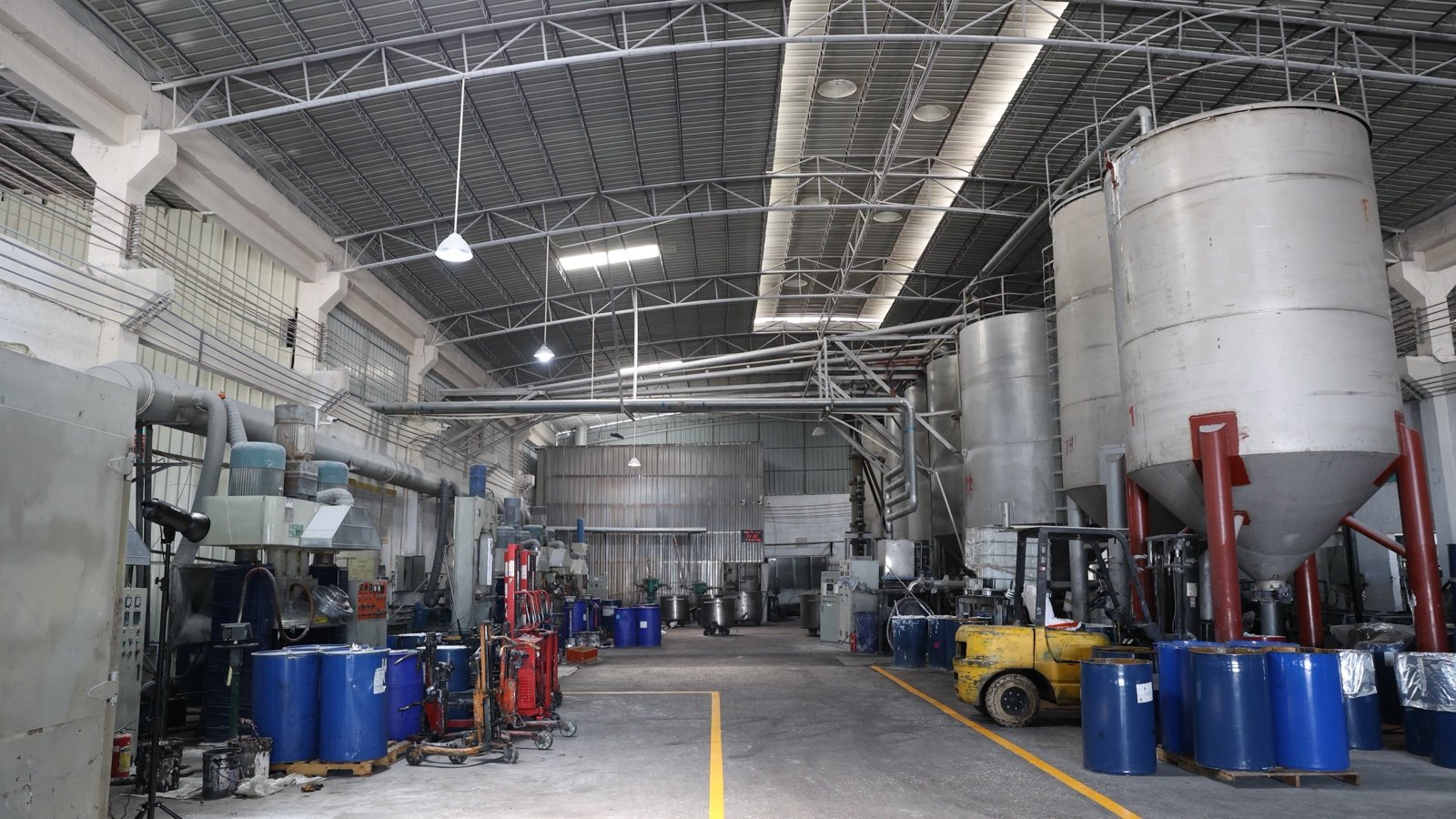
Read a silicone sealant TDS by checking product identity, revision, cure chemistry, exact glass, film, coating or interlayer compatibility, value type, test method, units, conditions and limitations before comparing products.
Calculate how much sealant you need from joint length, width and depth, then estimate the number of cartridges or packages required.

Silicone caulk has separate surface, through-cure and exposure milestones. Learn what changes cure time, how current Vesta model instructions differ, and what to check before water exposure.
A practical buyer checklist for comparing private-label caulk manufacturers across product fit, performance, packaging, samples, documents and repeat-order control.
Use paintability, exposure, movement and the joint’s job to choose the right acrylic or silicone starting point—then verify the exact product.

A 100% silicone label identifies a stated silicone formulation category, not a complete specification. Check the exact cure, class, use, substrate and approval fields.
