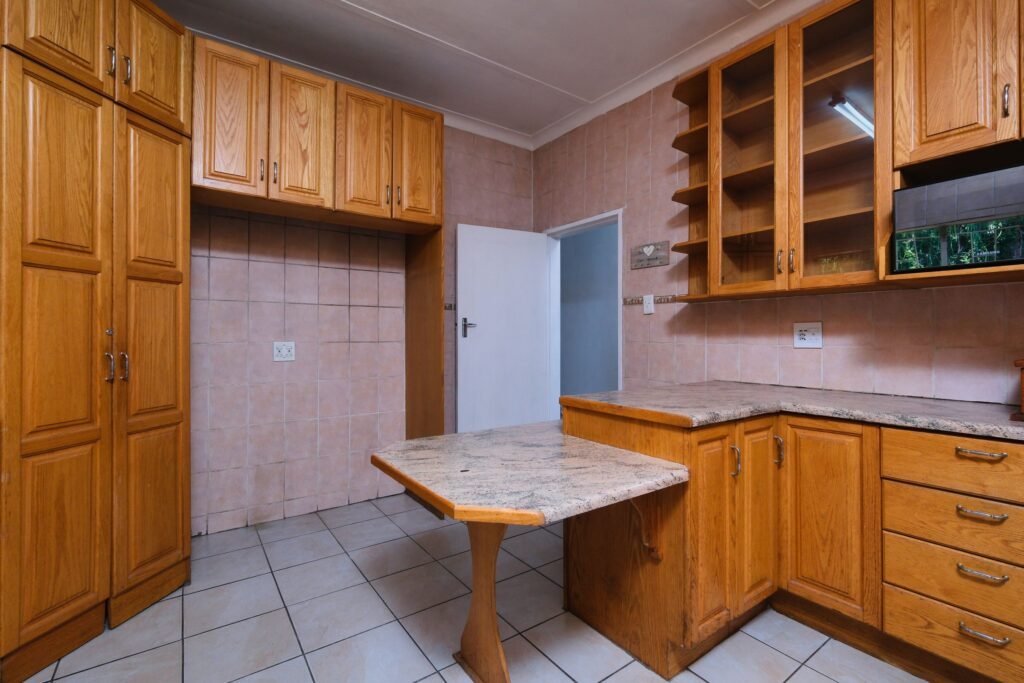

For bathrooms, kitchens, basins, tubs and shower screens, sanitary silicone is usually the safer starting choice. It is positioned for wet-area joints and commonly carries mold-resistance wording. General-purpose silicone should enter the shortlist only when its TDS covers the wet-area use, both surfaces and the exposure involved.
If you need a ten-second rule: start with sanitary silicone. Bring a general-purpose product back into the comparison only when its own technical document gives you a clear reason to do so.
The Short Answer
| Situation | Better starting choice | Buyer action |
|---|---|---|
| Basin, tub, shower screen, sink or tile joint exposed to humidity and splash | Sanitary or Kitchen & Bath silicone | Check the wet-area wording, mold-resistance claim and listed surfaces |
| General-purpose product with no clear wet-area or mold-resistance statement | Do not shortlist it for this job | Move to a product intended for the joint |
| General-purpose product whose TDS names the use, surfaces and relevant claim | It can be compared | Check cure chemistry, exclusions and the actual materials before sampling |
| Acrylic tub, composite basin, coated glass or an unfamiliar finish | Neither label is enough | Identify both surfaces and run the required compatibility or adhesion check |
| Permanent immersion, structural glazing, fire-rated or another specialist joint | Neither category | Use a product or system specifically approved for that application |
The Purchasing Mistake Often Happens Before Application
One case shared for this guide began with a familiar shortcut. The buyer chose a well-known general-purpose silicone because it was easy to buy and the brand felt safe. Nobody checked whether that cartridge was intended for the basin joint. The bead looked normal at first; later, dark spots appeared along the seal.
The mistake was choosing at brand level instead of product level. Large brands sell different grades for different joints; recognizing the logo still does not tell the buyer which cartridge belongs around a basin.
For a distributor or project buyer, three vague descriptions should immediately trigger another question:
- If the customer says only “bathroom silicone”, ask where the joint is and how it gets wet.
- If the customer says “aluminum and glass”, ask about the aluminum finish and whether the glass is coated.
- If one side is an acrylic tub or composite basin, do not approve the product from a tile-and-glass statement.
Three Checks Before You Shortlist a Wet-Area Silicone
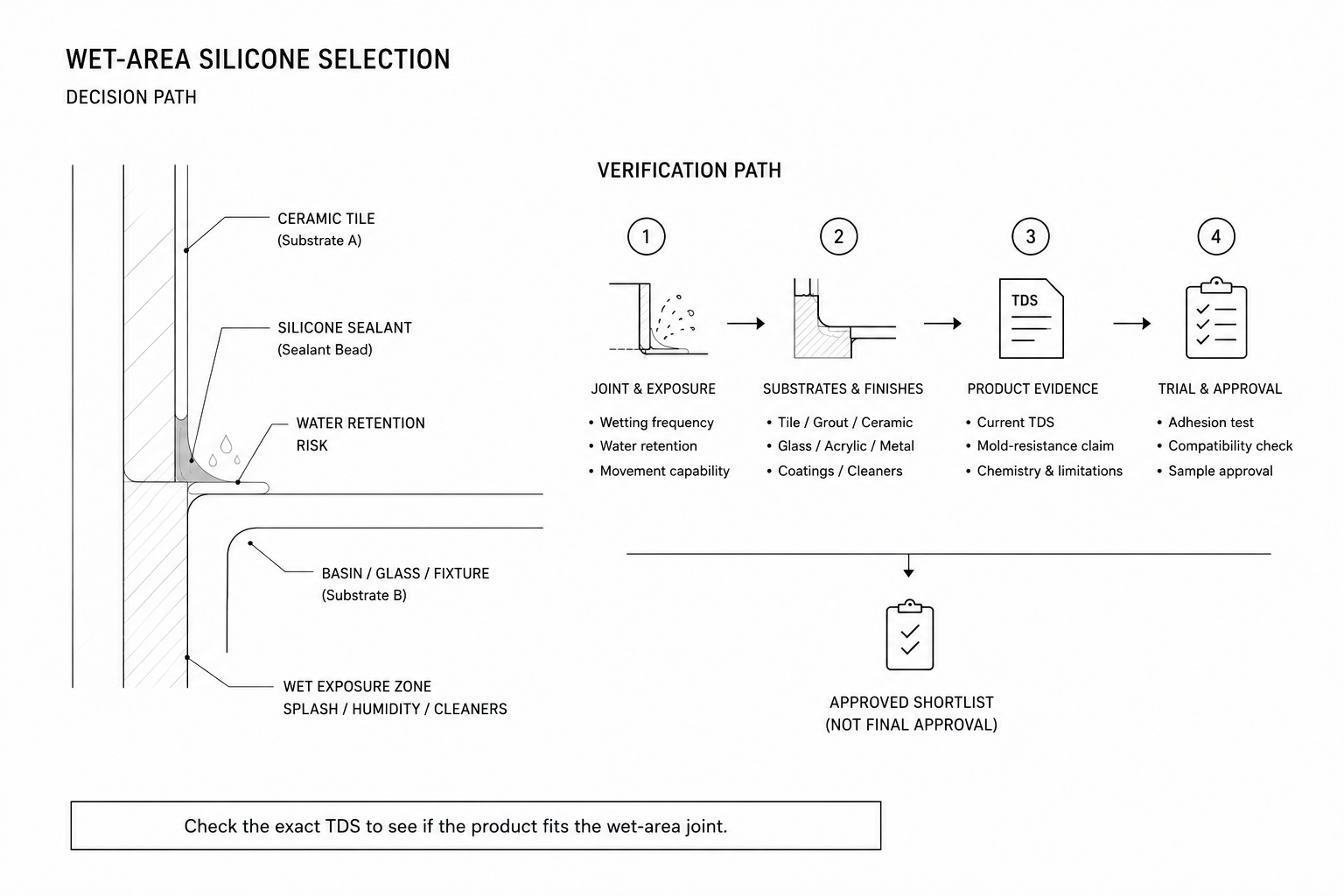
1. Where is the joint, and how does it get wet?
There is a large difference between bathroom humidity, repeated splash and water that sits against the bead every day. Start with the joint itself: basin perimeter, tub edge, shower screen, sink or tile junction. Then ask whether water drains away or stays in the corner.
The surrounding assembly matters too. Sealant should not be used to hide a drainage or installation problem.
2. What are the two surfaces?
“Tile to glass” is more useful than “bathroom joint”, but it is still incomplete if the glass is coated. “Basin edge” is not enough until the buyer knows whether the fixture is enamel, acrylic, ceramic or composite.
If the surface is coated, treated, painted, plastic or composite, plan the compatibility or adhesion check before approving the sample.
3. What does this cartridge actually claim?
Read the TDS for the selected model—not the brand homepage and not a generic category description. Look for the intended use, mold- or mildew-resistance wording, cure chemistry, listed surfaces, application conditions and exclusions.
Vesta MR350 Mold-Resistant Sanitary Silicone is a one-component alkoxy-cure sanitary silicone for non-structural wet-area joints. Its current TDS records Grade 0 mold resistance under JC/T 885-2016 and lists typical uses around showers, tubs, vanities, basins, sinks, tile, interior glass and selected fixtures.
For coatings, plastics or specialist joints, confirm compatibility before sampling. The current TDS is available through Vesta Resources.
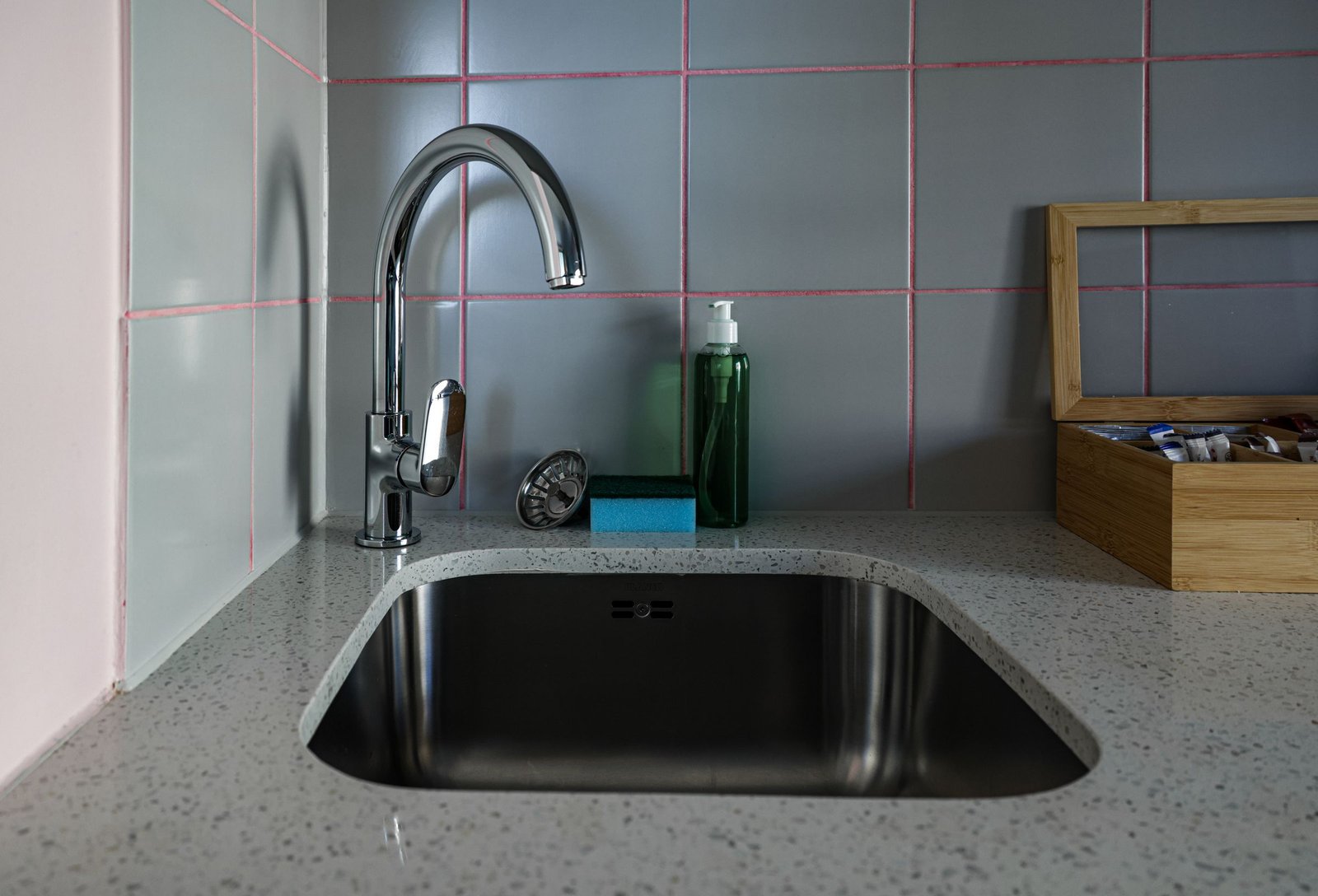
What Is the Best Bathroom Sealant for Each Joint?
The three checks above also explain why the best bathroom sealant is not one universal cartridge. The right product is the one whose current TDS covers the joint, both surfaces and the way the area gets wet. For common non-structural bath, basin and shower perimeter joints, a bathroom silicone sealant intended for sanitary use is usually the safer starting category; the joint details decide which product can stay on the shortlist.
| Bathroom joint | Better starting point | Confirm before sampling |
|---|---|---|
| Bath or tub edge | Sanitary silicone intended for use as a bath sealant around wet-area perimeter joints | Identify the tub material and finish, the adjoining wall surface, and whether water drains away or remains against the bead. |
| Shower tray to tile | Sanitary or shower silicone intended for use as a shower tray sealant | Confirm the tray material, tile or finish, repeated wetting and any compatibility or adhesion check required for the actual surfaces. |
| Shower screen or metal frame | Sanitary silicone that covers the exact glass and frame finish | Check for coated or treated glass, identify the metal finish, and review cure chemistry and actual-surface test requirements. |
| Basin or vanity perimeter | Sanitary or Kitchen & Bath silicone | Identify the basin and countertop materials, then compare the wet-area wording, listed surfaces and cleaner exposure. |
| Unfamiliar plastic, composite or coating | Do not approve from a bathroom label alone | Use the exact project surfaces for the required compatibility or adhesion check before approving the sample. |
When someone asks for the best shower sealant, separate the tray, screen, frame and wall-junction details first. Those joints can combine different surfaces and water conditions, so one bathroom label cannot confirm all of them.
Different problems need different checks. If dark marks keep returning, diagnose why bathroom silicone keeps getting moldy. If you are replacing an existing bead, check whether new silicone can go over old silicone. If the question is when the joint can get wet, separate dry time, cure and water exposure.
Does Mold Resistant Mean Permanently Mold-Free?
No. Mold resistant does not mean mold proof for life.
The second customer pattern behind this guide was an expectation problem. Buyers saw a mold-resistance claim and treated it as a permanent promise. In the bathroom cases shared with us, dark spots appeared first where the bead stayed wet or collected soapy water and shower-gel residue.
Choosing sanitary silicone matters, but it cannot drain the corner, remove residue or dry the surface after use.
Two public user reports describe the same problem from different angles: mold returning after a branded bathroom silicone with long-protection wording, and mold recurring where water remained at a bath seam.
US EPA guidance puts moisture control at the center of mold control. routine maintenance guidance also discusses retained moisture and films from soap scum or skin oils.
For the person maintaining the joint:
- choose a silicone intended for the wet-area joint;
- keep the exposed bead clean and let it dry;
- avoid corners or details that hold water against the seal;
- if dark spots keep returning, inspect adhesion, joint shape and possible water entry behind the bead;
- replace failed sealant instead of repeatedly cleaning over a joint problem.
When Can General-Purpose Silicone Still Be Considered?
General-purpose silicone can remain in the shortlist, but only if its TDS answers four questions:
- Does it name the relevant wet-area use or exposure?
- Does it cover both surfaces in the joint?
- Does it carry the mold- or mildew-resistance wording the buyer needs?
- Do its cure chemistry and exclusions fit the materials and application?
A comparable all-purpose silicone TDS may state that the cured sealant is mold- and mildew-resistant. All-purpose does not automatically mean no mold-resistance claim; check the statement for the model being considered.
If a shortlisted general-purpose product cannot answer those four questions, do not choose it because it is cheaper, familiar or already on the shelf. Return to a sanitary product intended for the joint.
When to Stop the Category Comparison
Do not keep comparing sanitary and general-purpose cartridges when the enquiry involves:
- structural glazing or permanent load transfer;
- permanent immersion, pools, or aquariums;
- food-contact or another regulated use;
- fire-rated joints;
- mirror backing or natural stone;
- an unusual substrate, coating, plastic, composite, cleaner, or adjacent material without compatibility evidence;
- a gap whose assembly instructions may require drainage or a different sealing detail.
These jobs need a product or system specifically supported for the application. If neither TDS supports the use, remove both cartridges from the sample round.
Procurement Checklist Before Sample Approval
Before approving a sample, record:
- The joint location and whether it faces humidity, splash, repeated wetting or retained water.
- Both surfaces and finishes—not just “glass”, “aluminum” or “basin”.
- The product model and the TDS version being reviewed.
- Its wet-area and mold-resistance wording.
- Cure chemistry, exclusions and any required compatibility or adhesion trial.
- The sample, document or market requirement that still needs confirmation.
Should MR350 Enter Your Sample Test?
If you are selecting silicone for a bathroom, kitchen, basin, tub, shower screen or tile joint, start with Vesta’s Kitchen & Bathroom application path and review MR350 Mold-Resistant Sanitary Silicone. Before approving the sample, send Vesta:
- both substrates and their finishes;
- a clear joint photo or drawing;
- the wet-area exposure and any standing-water condition;
- the target market;
- the TDS or sample requirement.
Vesta will compare the joint details with the current TDS and flag any coating, plastic, unusual surface or specialist use that changes the route. Current technical files are also available through Vesta Resources.